
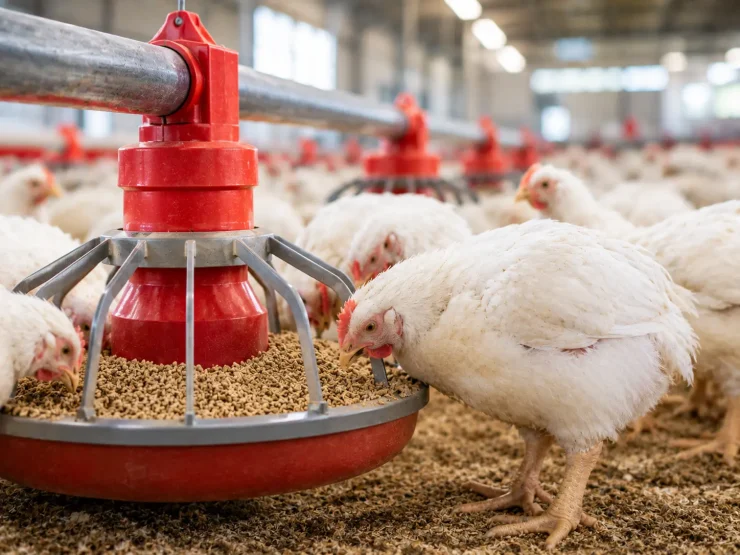
High Protein Broiler Feed in Nepal: A Complete Overview
Walk into any commercial poultry farm in Nepal, and the conversation about performance will eventually come down to protein. How much protein is in the feed, where it is coming from, and whether the birds are actually getting what they need at each stage of their growth cycle.
These are not complicated questions, but getting the answers right makes a very measurable difference to how fast broilers grow, how efficiently they convert feed into meat, and how profitable a flock turns out to be by the time it reaches market weight.
Nepal’s broiler industry has grown into one of the most economically significant segments of the country’s agricultural sector. According to a recent government survey, broiler chicken production in Nepal has reached 258,626 tonnes, generating revenue exceeding Rs57.86 billion annually. Feed costs account for the single largest share of expenditure in commercial poultry farming, totalling Rs53.98 billion across the sector. In that context, getting the protein content of broiler feed right is not just a nutritional decision. It is a financial one.
This article explains what high-protein broiler feed is, why protein levels matter at each stage of production, what ingredients are used to deliver that protein, and how farmers in Nepal can make better decisions around protein when choosing or evaluating feed for their flocks. SB Group’s Jio Feed range is formulated with stage-specific protein levels that support consistent broiler performance throughout the production cycle.
What is high-protein broiler feed?
High-protein broiler feed refers to feed that is specifically formulated to contain elevated levels of crude protein to support the rapid muscle development and overall growth that broiler chickens require. Unlike layers, which are bred for egg production and have more moderate protein requirements, broilers are bred specifically for meat. Their bodies are designed to gain weight quickly, and their feed needs to supply the building blocks that make that growth possible.
Protein in poultry feed is made up of amino acids, which are the actual compounds that the bird’s body uses to build muscle tissue, feathers, organs, and other structures. When a feed is described as high protein, it means that it contains a sufficient concentration of these amino acids, particularly the essential ones that the bird cannot produce on its own, to support the growth rate that modern broiler breeds are capable of achieving.
Understanding broiler chicken feed formulation in detail is important before making any changes to the feeding program on your farm, as protein levels interact closely with energy levels and other nutrients in the ration.
Why Protein Is So Important for Broilers
Broilers are among the fastest-growing animals in commercial livestock production. A well-managed broiler flock can go from day-old chick to market weight in 35 to 45 days, which represents an extraordinary rate of tissue deposition. That growth is driven almost entirely by protein intake.
When a broiler does not receive enough protein, or when the protein it receives is of poor quality and lacks the right amino acid profile, growth slows down. Feed conversion ratios worsen. Birds become uneven in size. The final body weight at slaughter falls below target. All of these outcomes translate directly into reduced income for the farmer.
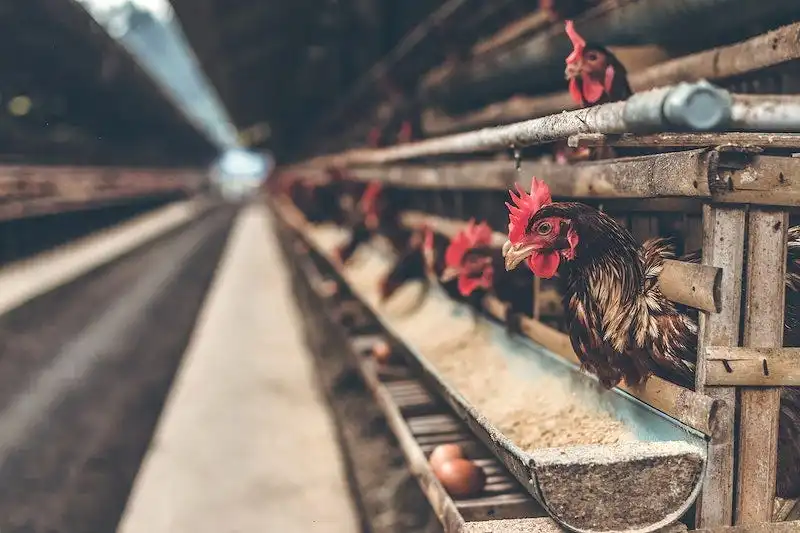
High-Protein Broiler Feed in Nepal
On the other hand, feeding excess protein beyond what the bird can utilize is also wasteful. The bird excretes the unused nitrogen as ammonia, which increases litter moisture, raises ammonia levels in the house, and adds unnecessary cost to the feed without improving performance. The goal of high-protein broiler feed formulation is to supply enough of the right protein to meet the bird’s needs at each stage without going significantly over that level.
This is why understanding poultry feed types and their stage-specific differences is essential for any farmer who wants to manage protein intake correctly across the full production cycle.
Protein Requirements at Each Stage of Broiler Production
Broilers do not need the same level of protein throughout their lives. Their requirements change significantly as they move from the starter phase through the grower and into the finisher phase, which is why a single feed cannot be used from day one to slaughter and still produce optimal results.
Starter Phase (Day 1 to Day 14)
The starter phase is when protein requirements are at their highest. During the first two weeks of life, chicks are developing their immune systems, building their initial muscle framework, and establishing the gut health that will influence their performance for the rest of the production cycle. High-protein starter feed containing a crude protein level of 22 to 24 percent is standard practice for commercial broiler production in Nepal and globally.
At this stage, the amino acids lysine, methionine, and threonine are particularly important. These are considered the most limiting amino acids in broiler feed because they are the ones most likely to be in short supply even when the overall protein percentage looks adequate on paper.
Grower Phase (Day 15 to Day 28)
As broilers move into the grower phase, their protein requirement steps down slightly to a crude protein level of around 20 to 21 percent. The bird is larger, and its gut is more developed, which means it is better able to extract nutrients from its feed. The focus during this phase shifts slightly from building the structural framework to adding muscle mass and body weight efficiently.
Feed conversion ratio is closely monitored during this phase because it is where a large proportion of the total feed for the cycle is consumed. The protein level in the grower feed needs to be high enough to support the rapid weight gain expected during this period without being so high that it simply adds cost with no performance return.
Finisher Phase (Day 29 to Slaughter)
During the finisher phase, crude protein levels in broiler feed typically come down to around 18 to 19 percent. The objective at this stage is to maximize body weight and improve the feed conversion ratio before the birds go to market. Energy density becomes more important relative to protein during finishing, as the bird is now depositing fat as well as muscle.
Proper feed management for sustainable poultry farming includes making sure the transition between each of these phases happens at the right time and that the protein step-down follows the bird’s actual growth stage rather than a fixed calendar date.
Key Protein Ingredients in High-Protein Broiler Feed
The protein in broiler feed comes from a combination of plant-based and animal-based ingredients. The choice of ingredients affects not just the crude protein level but the amino acid profile, the digestibility of the protein, and ultimately the cost of the feed.
Soybean Meal
Soybean meal is the most widely used protein ingredient in commercial broiler feed worldwide, including in Nepal. It has a crude protein content of around 44 to 48 percent, a well-balanced amino acid profile, and good digestibility. The main drawback for Nepali feed producers is that soybean meal is largely imported, which makes it subject to price fluctuations and supply chain disruptions.
Fish Meal
Fish meal is a high-quality animal protein source with crude protein levels of 60 to 70 percent and an excellent amino acid profile, particularly for lysine and methionine. It is especially valuable in starter feeds where digestibility and amino acid density matter most. The cost of fish meal is significantly higher than soybean meal, which limits its inclusion rate in most commercial formulations.
Mustard Cake
Mustard cake is a locally available protein source in Nepal and is often used as a cost-effective partial replacement for imported protein ingredients. It contains around 35 to 38 percent crude protein but also contains glucosinolates, which are anti-nutritional factors that can suppress growth at high inclusion rates. This means mustard cake is typically used at controlled levels rather than as the primary protein source.
Meat and Bone Meal
Meat and bone meal is an animal protein by-product that contributes both protein and phosphorus to the ration. Its protein content ranges from 45 to 55 percent depending on the source and processing method. Quality can vary significantly between suppliers, which makes sourcing from reliable producers important.
Alternative Protein Sources
Given the high cost and import dependency of conventional protein ingredients, there is growing interest in alternative protein sources for broiler feed in Nepal. Ingredients such as black soldier fly larvae, duckweed, and azolla have shown potential as locally producible, lower-cost protein supplements. These alternatives are still emerging in commercial practice in Nepal but represent a meaningful opportunity for reducing feed cost while maintaining protein quality.
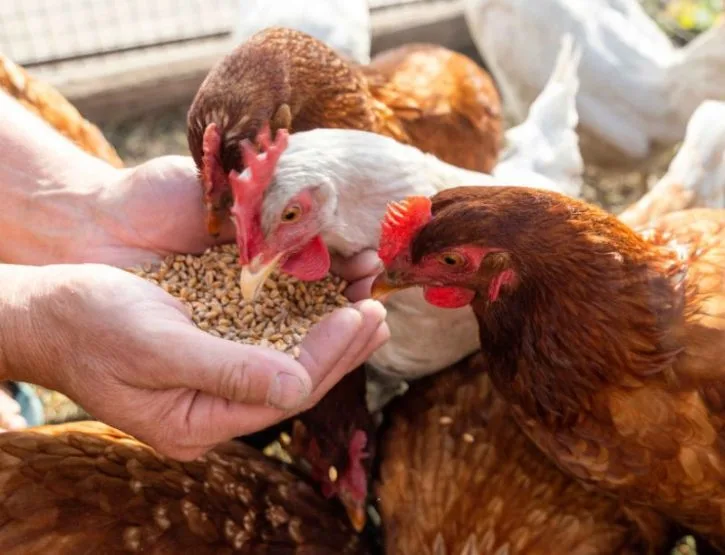
Broiler Chicken Formation
The Role of Amino Acids in Broiler Protein Nutrition
Crude protein percentage alone does not tell the full story of a feed’s nutritional quality. What matters equally is whether the protein being supplied contains the right amino acids in the right proportions to meet the broiler’s requirements. A feed with a high crude protein percentage but a poor amino acid profile will not perform as well as a well-formulated feed with a slightly lower crude protein level but a better amino acid balance.
The three most critical amino acids in broiler feed are
- Lysine: The primary amino acid for muscle tissue growth. Deficiency leads directly to reduced body weight gain.
- Methionine: Important for feather development, immune function, and overall metabolism. It is often the first limiting amino acid in plant-based diets.
- Threonine: Supports gut health and immune function. Particularly important in the starter phase when the bird’s immune system is still developing.
Modern broiler feed formulations increasingly target these amino acids specifically, using synthetic amino acid supplements to fine-tune the ration rather than relying entirely on natural protein sources to supply the full requirement. This approach allows feed manufacturers to reduce the overall crude protein level slightly while still meeting the bird’s actual amino acid needs, which saves cost and reduces nitrogen excretion.
Combining good amino acid nutrition with enzyme formulation in poultry feed is one of the most effective strategies for maximising the value of the protein in a broiler ration, as enzymes improve the digestibility of amino acids from plant-based ingredients.
How High Protein Feed Affects Broiler Health
Protein does more than just build muscle in a broiler. It also plays a central role in immune function, gut development, and overall health status. Broilers that are consistently undersupplied with protein during the starter and grower phases often show reduced resistance to disease, poorer gut integrity, and higher mortality compared to birds on well-formulated high-protein diets.
Maintaining strong poultry immunity is closely connected to adequate protein nutrition. The antibodies that birds produce in response to pathogens are proteins, which means a bird that is protein-deficient is also less equipped to mount an effective immune response when challenged by disease.
Good protein nutrition also supports a healthy gut lining, which reduces the risk of gut-related infections and improves the absorption of all nutrients, not just protein. This connects directly to the case for antibiotic-free poultry farming, where the goal is to build natural disease resistance through nutrition and management rather than relying on medication.
Challenges in Supplying High Protein Broiler Feed in Nepal
Despite the clear importance of protein in broiler nutrition, there are real challenges that face farmers and feed manufacturers in Nepal when it comes to supplying high-protein feed consistently and affordably.
- Import dependency: The majority of high-quality protein ingredients like soybean meal and fish meal are imported, which exposes the sector to currency fluctuations and supply disruptions
- High raw material costs: Protein ingredients are among the most expensive components of any poultry ration, and their cost directly affects farm profitability
- Quality variation: The protein content and digestibility of locally available ingredients like mustard cake and meat meal can vary significantly between suppliers
- Storage challenges: High protein ingredients are often more susceptible to spoilage and mycotoxin contamination if not stored correctly, which can negate the value of even a well-formulated feed
- Limited access to nutrition expertise: Many smaller farms in Nepal do not have access to professional feed formulation support, which leads to either underfeeding or overfeeding protein without realising it
Opportunities in High Protein Broiler Feed
There are also meaningful opportunities for improving the quality and availability of high-protein broiler feed in Nepal:
- Development of local alternative protein sources to reduce import dependency
- Wider adoption of modern poultry technology in feed milling to improve mixing accuracy and consistency
- Greater awareness among farmers about stage-specific protein requirements
- Expansion of quality commercial feed brands that offer clearly labelled, stage-specific broiler feeds
- Increased collaboration between feed companies and poultry nutrition researchers to adapt global formulation standards to locally available ingredients
Tips for Farmers on Managing Protein in Broiler Feed
Farmers who want to get the most out of high protein broiler feed should keep the following points in mind:
- Always use stage-specific feed and switch phases at the correct age rather than continuing with starter feed too long or moving to finisher feed too early
- Source feed from reputable manufacturers who clearly label crude protein levels and amino acid inclusion on the product packaging
- Monitor body weight weekly and compare it against breed standards to assess whether protein supply is meeting growth targets
- Store feed in a cool, dry place and use it within the recommended shelf life to preserve protein quality and amino acid integrity
- Ensure clean, fresh water is available at all times, as protein digestion and amino acid utilisation both depend on adequate water intake
Conclusion
High protein broiler feed is not a premium option for large commercial farms. It is the nutritional foundation that every broiler flock needs to perform to its potential. Without the right protein levels at each stage of production, growth slows down, feed efficiency suffers, and the economics of the entire production cycle are affected.
In Nepal, where feed costs already represent the single largest expense in broiler farming, getting protein nutrition right is one of the most direct levers a farmer has for improving both performance and profitability. Understanding what is in the feed, why each ingredient is there, and what protein levels are appropriate at each phase of production puts the farmer in a stronger position to make better buying decisions and manage their flocks more effectively.
SB Group’s Jio Feed range is designed to take the guesswork out of broiler protein nutrition, offering stage-specific formulations that deliver the right protein levels and amino acid balance at every phase of the production cycle, from the starter phase through to the day the flock goes to market.
Read More: Broiler Chicken Feed Formulation in Nepal: A Guide to Balanced Nutrition