

Antibiotic-Free Poultry: A Sustainable Future for the Poultry Industry
This shift towards antibiotic-free poultry in Nepal is changing the country’s agricultural landscape. As people become aware of food safety, health, and the environment, Nepal’s traditional poultry farming practices are under review.
Nepal’s poultry industry ranks among the fastest-growing in the country’s agriculture sector. The industry has huge prospects for employment generation and food security. However, the excessive use of antibiotics in poultry farming has created concerns over antimicrobial resistance, food safety, and sustainability. At the same time, this issue provides hope for a better and cleaner future of antibiotic-free poultry farming in Nepal.
This article explores the concept of antibiotic-free poultry farming in Nepal. It discusses the importance, benefits, challenges, opportunities, and way forward for the concept.
Why is antibiotic-free poultry farming gaining popularity
With this form of farming, the farmer focuses on biosecurity, cleanliness, vaccination, the use of quality feed, and natural health aids rather than antibiotics. When a bird is seriously sick and requires antibiotics, it is removed from the antibiotic-free flock.
- Rise of consumer awareness: Nepal, especially those living in Kathmandu, Pokhara, and other cities, are becoming increasingly aware of the importance of maintaining a healthy lifestyle. As a result, they are increasingly becoming aware of the risks associated with the use of antibiotics in food products. This is one reason why the concept is gaining popularity.
- Global need to address the antimicrobial resistance (AMR) threat: AMR is a global public health challenge. The overuse of antibiotics among livestock is a significant factor contributing to the spread of AMR. When people consume meat products with traces of antibiotics, they contribute to the spread of the problem. As a result, the use of antibiotics for treating diseases is compromised. By embracing the concept of antibiotic-free poultry farming, Nepal is contributing to the fight against the spread of AMR.
- Export opportunities: There is a huge market demand for organic products globally. By embracing the concept of antibiotic-free farming, Nepal is presented with an opportunity to boost its exports.
The Current Status of Poultry Farming in Nepal
Nepal’s poultry industry has witnessed a rapid increase in the past two decades. Broiler and layer farming are the main types of farming practiced in the country. The conventional approach to poultry farming has been the use of antibiotics for several objectives, such as promoting growth, controlling diseases, accelerating weight gain, and enhancing feed efficiency.
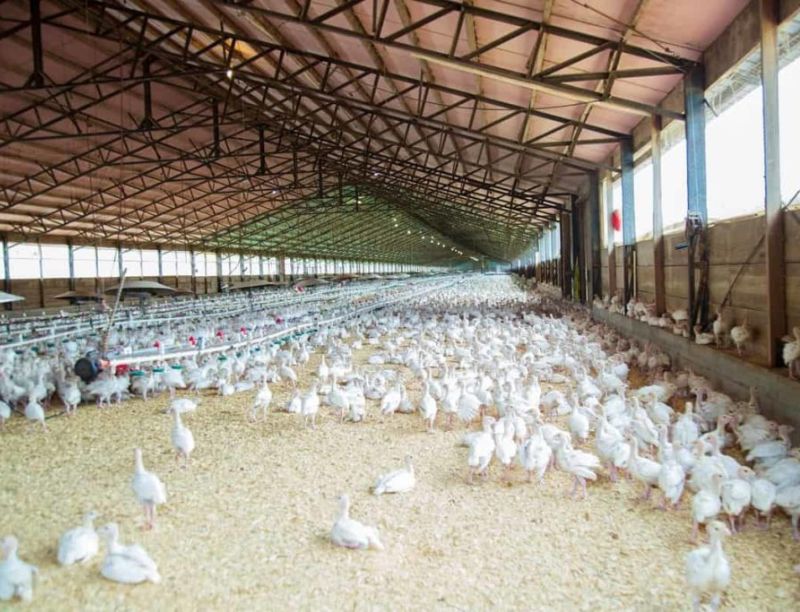
Poultry Farming in Nepal(Source: agrifarming.in)
However, the conventional approach has a dark side: the increased reliance on antibiotics. Changing the conventional approach to the poultry industry in Nepal requires a change in management strategies, a focus on education among the farming community, and the injection of fresh funds into the industry. On the other hand, a few visionary farms have adopted the concept of ‘antibiotic-free’ farming, especially around the city.
Key Principles of Antibiotic-Free Poultry
Successfully implementing antibiotic-free poultry farming involves adherence to several fundamental principles:
- Strong Biosecurity Measures: Biosecurity is the cornerstone of antibiotic-free production. Farmers must control farm access, disinfect equipment, use protective clothing, and prevent contact with wild birds and rodents.
- Quality Feed and Nutrition: Balanced nutrition strengthens birds’ immune systems. Feed must contain optimal protein, vitamins, minerals, probiotics, and prebiotics to enhance natural resistance.
- Vaccination Programs: Instead of relying on antibiotics, preventive vaccination protects birds from common diseases such as Newcastle disease and infectious bronchitis.
- Clean Water and Proper Ventilation: Clean drinking water and well-ventilated housing reduce stress and disease outbreaks, minimizing the need for medical intervention.
- Regular Health Monitoring: Early detection of disease allows for immediate management and prevents widespread outbreaks.
Benefits of Antibiotic-Free Poultry
Antibiotic-free poultry farming involves raising chickens without the addition of antibiotics to their feed or water to enhance their growth or protect them from disease. Most conventional farming systems rely on the addition of antibiotics to the feed or water to promote growth and reduce disease in chickens. While this may have positive effects on productivity in the short term, it also contributes to antibiotic resistance and health risks to those who consume the products.
The advantages to Nepal from adopting this system are:
- Health advantages: By reducing the quantity of antibiotics used in farming, the risk of antibiotic resistance is also reduced, providing healthier meat and eggs without antibiotic residues.
- Increased market price: These products command a premium price in the cities.
- Environmental advantages: By reducing the quantity of antibiotics used in farming, the environmental risks associated with the presence of antibiotic residues in the soil and water via chicken manure are also reduced.
- Brand building: Farms that promote antibiotic-free chicken farming build brand equity.
- Sustainable industry: Reducing dependence on antibiotics makes the industry more sustainable in the long term.
Challenges of Antibiotic-Free Poultry
The advantages of shifting to antibiotic-free chicken in Nepal are real, but so are the challenges that come with it:
- Cost: It is more expensive to produce antibiotic-free chicken. You have to ensure good biosecurity, good feed, vaccination, and good infrastructure. That means more money upfront.
- Complexity: Without antibiotics, you have to keep your eyes on the ball. If you don’t, disease and economic consequences can be devastating.
- Certification: There is no credible certification system for antibiotic-free chicken in Nepal. Developing standards is important to gain consumer trust.
- Technical knowledge: Most farmers lack knowledge of how to raise antibiotic-free chicken. Education is the key.
- Awareness: City dwellers are likely to be aware of the concept of antibiotic-free chicken. But in the countryside, price is often the determining factor. Awareness is important.
The Role of Technology in Antibiotic-Free Poultry Production
Modern technology plays an important role in supporting antibiotic-free systems:
- Automated feeding systems ensure proper nutrition
- Climate-controlled housing reduces stress
- Digital monitoring tools track bird health
- Data-driven farm management improves efficiency
Integrating these technologies enhances productivity while maintaining antibiotic-free standards.
The Future of Antibiotic-Free Poultry in Nepal
The road forward is promising, but this will depend on the cooperation of farmers, government agencies, veterinarians, scientists, and ordinary consumers working towards the same goal.
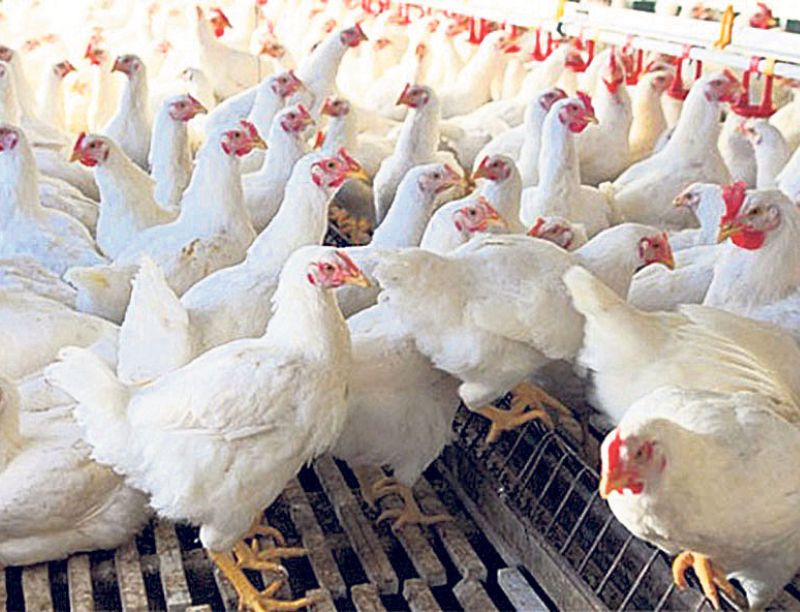
Antibiotic-Free Poultry in Nepal(Source: myrepublica)
If Nepal invests heavily in good regulation, farmers are given good education, research and innovation are encouraged, and the markets are developed, the country can set the pace for environmentally friendly poultry products in the entire region.
Selecting antibiotic-free poultry products in Nepal is not just about the farmers; it’s a commitment to the health of the people, the environment, and the future of the agricultural sector.
Conclusion
Nepal’s poultry industry has witnessed a rapid increase in the past two decades. Broiler and layer farming are the main types of farming practiced in the country. The conventional approach to poultry farming has been the use of antibiotics for several objectives, such as promoting growth, controlling diseases, accelerating weight gain, and enhancing feed efficiency.
However, the conventional approach has a dark side: the increased reliance on antibiotics. Changing the conventional approach to the poultry industry in Nepal requires a change in management strategies, a focus on education among the farming community, and the injection of fresh funds into the industry.
On the other hand, a few visionary farms have adopted the concept of ‘antibiotic-free’ farming, especially around the city.
Read More: Poultry Feed Types