
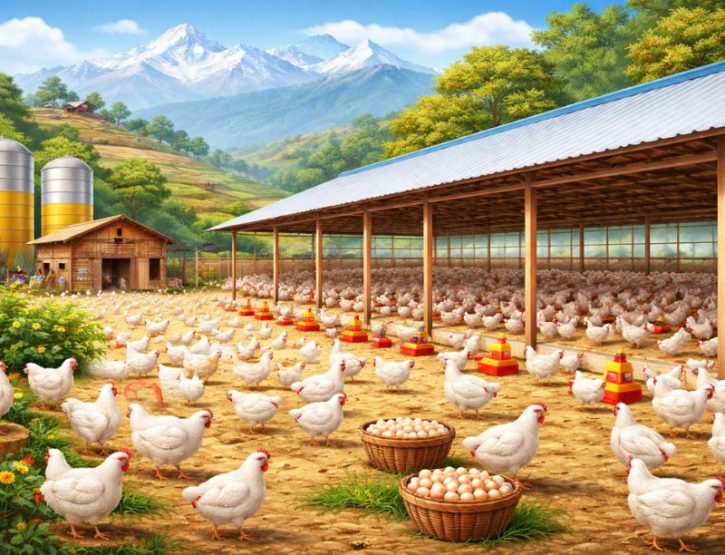
Poultry Management in Nepal: A Complete Guide
Poultry farming is one of the most rapidly expanding farming operations in Nepal. It has helped in the fight against hunger, provided jobs, and helped develop the countryside. Poultry farming is critical for Nepalese farmers to help optimize productivity and profitability.
The purpose of this article is to give readers a general understanding of poultry management within Nepal. Topics will include issues related to poultry husbandry, poultry housing, poultry veterinary care, and the challenges of contemporary poultry farming.
Importance of Poultry Farming in Nepal
Poultry farming is an important component of agricultural development in Nepal. It offers cheap sources of protein-rich food such as eggs and chicken meat, which are essential for human well-being. In addition to this, poultry farming is less costly compared to other animal production, which makes it one of the sources of income for most farmers.
Poultry farming has made significant contributions in Nepal, including:
- Creation of jobs in both rural and urban locations
- Diversified income among farmers
- Food security through the provision of protein-rich foods
- Support for the growth of allied industries
Types of Poultry Farming in Nepal
In Nepal, different farming systems have different approaches to managing poultry. Among the primary systems are:
- Backyard poultry farming: In rural areas, this conventional method is prevalent. Local breeds are used by farmers to raise a small number of birds. It is less productive but requires less investment.
- Commercial Poultry Farming: Urban and suburban areas are popular locations for commercial poultry farming. This means that these areas are used for producing large numbers of layers and broilers by using bred stock along with modern types of feed and housing facilities.
- Organic and Antibiotic-Free Poultry Farming: In Nepal, there have been many organic and antibiotic-free poultry farms that have become popular. The farms are creating naturally grown birds without using chemicals, and they are giving more welfare to the birds by providing natural foods to them.
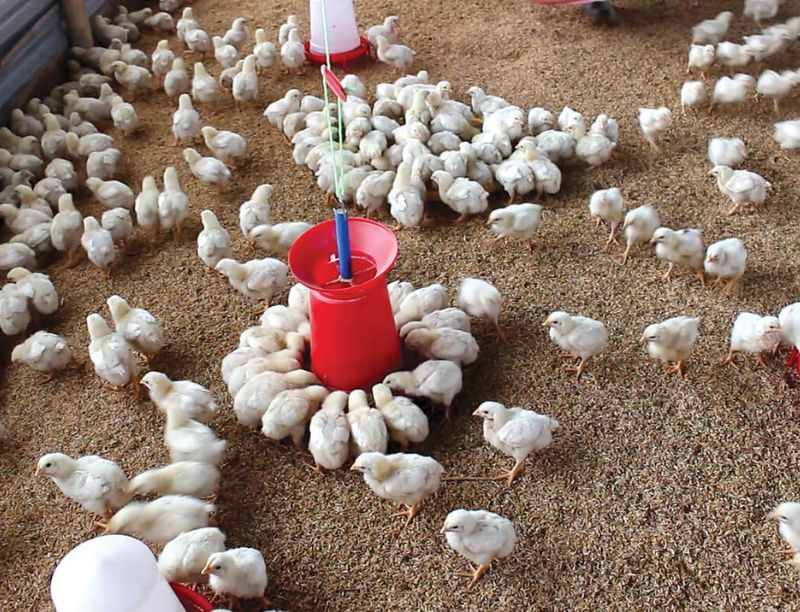
Types of Poultry Farming in Nepal(Source: nepalitimes)
Poultry Housing Management
Housing plays a significant part in the proper management of poultry in Nepal. It guarantees the comfort, security, and productivity of the bird with an effectively constructed house.
Key Considerations
- Location: The best sites for poultry houses are upper dry locations with proper drainage.
- Ventilation: Proper air flow is essential to reduce heat distress and to get rid of harmful gases such as ammonia.
- Space Requirement: Crowded birds are in danger of stress, disease outbreaks, and lower levels of production.
- Lighting: Adequately lit poultry houses will increase egg production in layers.
- Protection: Poultry housing must be able to protect the birds from disease, extreme weather conditions, and predation.
Types of Housing Systems
- Deep Litter System
- Cage System
- Free Range System
Each housing system has its own advantages, and the entrepreneur/producer needs to consider the size of their production and available resources when determining which system best suits their needs.
Poultry Feeding Management
Feeding is possibly the single most important aspect of raising/poultry in Nepal. Around 60 -70% of the total cost of Production is attributed to the cost of feed.
The various types of Feed include:
Starter Feed is used for chicks (0-4 weeks), Grower Feed is used with birds while they’re growing, Layer Feed is given to hens producing eggs, and Finisher Feed is used with broilers before marketing.
The nutritional requirements for poultry include:
Proteins, Carbohydrates, Fats, Minerals, and vitamins, Clean water
A balanced diet is critical for growth, egg production, and disease resistance. In Nepal, many people use corn, soybean meal, rice bran, and mineral supplements to make their own poultry feed.
Health and Disease Management
One of the biggest issues with managing poultry in Nepal is disease control. Lack of awareness and poor hygiene can result in significant financial losses.
Common Illnesses in Poultry:
- Ranikhet’s Newcastle disease
- Bird flu, or avian influenza
- Coccidiosis
- Poultry pox
- Infectious Bronchitis
Preventive Actions:
- Regular immunization schedule
- Biosecurity and proper hygiene
- Separation of ill birds
- A supply of feed and clean water
Disease prevention requires biosecurity measures like restricting farm visitors, cleaning equipment, and managing rodents.
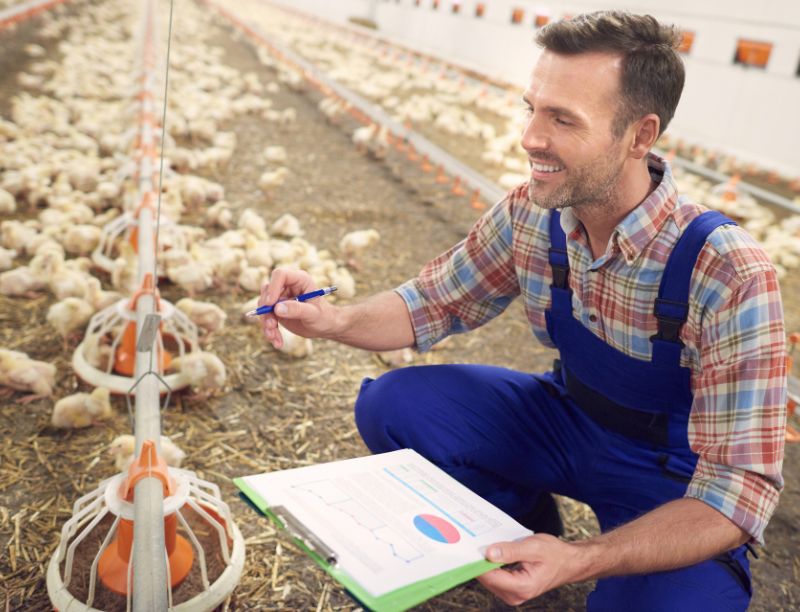
Health and Disease Management(Source: freepik)
Waste Management in Poultry Farming
One could argue that sustainable agriculture has overlooked the handling of poultry waste.
Types of Waste:
- Manure
- Feathers
- Dead birds
Use of Waste:
- An organic fertilizer can be made from manure.
- Biogas
- Making compost
Efficient waste management reduces pollution in the environment and increases farm profitability.
Challenges in Poultry Management in Nepal
Challenges remain despite the expansion of poultry farming in Nepal. These challenges include:
- Increasing Cost of Feed: The cost of feed has been increasing due to the international trade of raw materials for feed manufacture.
- Disease outbreaks in poultry farming, such as bird flu, have been detrimental to the poultry farming business.
- Lack of Modern Techniques: The farming community is largely unaware of modern techniques in poultry farming.
- Poor Infrastructure: The infrastructure for cold storage, transport, and processing is very poor.
- Climate-induced: Poultry farming is also being impacted by changing weather patterns.
Opportunities in Poultry Farming
Opportunities in poultry management in Nepal include:
- Increasing demand for poultry products
- Expansion of commercial poultry farming
- Government assistance and subsidies
- Export opportunities
- Rise of organic poultry farming
If poultry farming is well planned and managed, it is one of the most profitable businesses.
Tips for Successful Poultry Management in Nepal
For one to be successful in poultry farming, the following best practices are required:
- Proper hygiene and sanitation
- Proper nutrition
- Proper vaccinations
- Proper bird health checkups
- Proper record-keeping
- Proper market trends updates
Conclusion
Poultry management in Nepal is a dynamic and ever-changing industry that holds tremendous prospects for growth and profitability. Whether it is small-scale backyard farming or large-scale commercial farming, proper management is key to success in poultry farming. Farmers can greatly increase both their productivity and their income by focusing on providing adequate housing, providing adequate nutrition, providing adequate health care, and providing adequate marketing.
Despite the challenges that face this industry, such as high feed prices and diseases, there are tremendous prospects for growth in poultry farming. With proper government support and technological advancements, poultry farming is set to be at the core of Nepal’s agricultural industry.
Poultry management in Nepal is not only an option for aspiring farmers and agribusiness entrepreneurs; it is also a route to development and success.
Read More: Antibiotic-Free Poultry