
Enzyme Formulation for Poultry Feed in Nepal
Walk into any poultry farm in Nepal, and the conversation will almost always come around to feed. Feed is the single largest cost in raising chickens, ducks, or turkeys, and every farmer is constantly looking for ways to get more out of every kilogram of feed they put in front of their birds. One of the most effective and scientifically backed ways to do that is through enzyme formulation in poultry feed.
Enzymes may not be visible to the naked eye, but their impact on bird performance, feed efficiency, and farm profitability is very real. In Nepal, awareness around feed enzyme technology has grown significantly over the past several years. Particularly among commercial poultry farmers who are looking for a competitive edge. Feed companies like SB Group, through their Jio Feed product line, have been at the forefront of incorporating science-based nutrition into locally manufactured poultry feed.
The purpose of this article is to explain what enzyme formulation for poultry feed means, how it works, the types of enzymes commonly used, and why it matters for poultry farmers in Nepal.
What is enzyme formulation for poultry feed?
Enzyme formulation refers to the process of selecting and combining specific enzymes and adding them to poultry feed in precise amounts to improve the digestibility and nutritional value of that feed. Enzymes are biological molecules, mostly proteins, that speed up chemical reactions in the body. In the context of poultry nutrition, they help birds break down feed components that would otherwise pass through the digestive system largely unused.
Poultry, unlike ruminants such as cattle, have a relatively short and simple digestive tract. This means they are not always efficient at breaking down complex carbohydrates, certain proteins, and plant-based compounds on their own. Enzyme supplementation helps bridge this gap and allows the bird to extract more energy and nutrients from the same amount of feed.
Why Enzymes Are Added to Poultry Feed
The main reason for adding enzymes to poultry feed is to improve feed utilisation. When birds cannot fully digest a feed ingredient, a portion of the nutrients in that ingredient is wasted. This leads to higher feed conversion ratios, meaning the farm has to use more feed to achieve the same level of growth or egg production.
By adding the right enzymes, farmers and feed manufacturers can:
- Increase the digestibility of feed ingredients, allowing birds to absorb more nutrients per kilogram consumed
- Reduce feed costs by improving the efficiency of lower-cost or alternative raw materials
- Lower the environmental impact of poultry farming by reducing the amount of undigested phosphorus and nitrogen excreted
- Improve bird health and gut function, as undigested material in the gut can promote the growth of harmful bacteria
- Enhance overall flock performance, including better weight gain and higher egg production rates
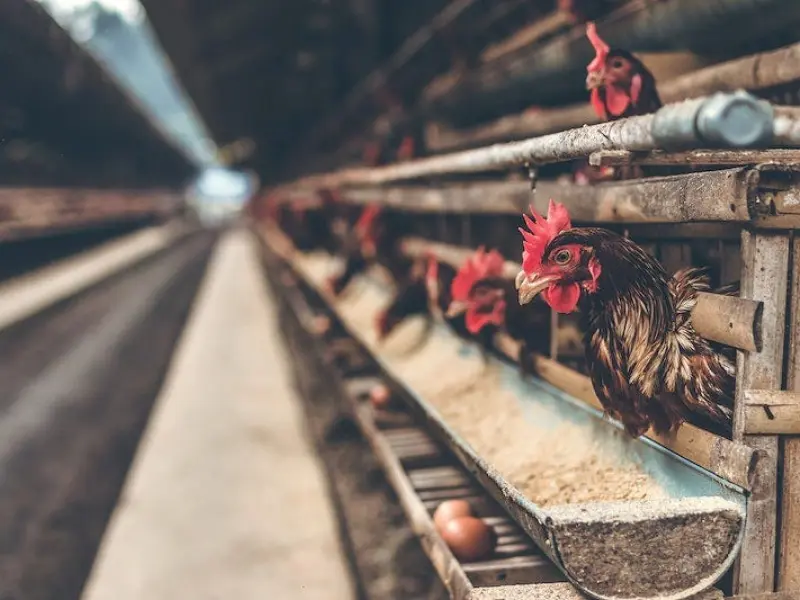
Poultry Feeding In Nepal
Types of Enzymes Used in Poultry Feed Formulation
Not all enzymes do the same job. Different enzymes target different feed components, which is why enzyme formulation is rarely about a single product but rather a combination that works together. The most commonly used enzymes in poultry feed include:
Phytase
Phytase is probably the most widely known and widely used enzyme in poultry nutrition. It breaks down phytate, which is the main form in which phosphorus is stored in plant-based feed ingredients like soya bean meal, maize, and rice bran. Poultry cannot produce phytase on their own, which means a large portion of the phosphorus in their feed passes through the body unused.
By adding phytase to feed, farmers can release this bound phosphorus, reducing the need for expensive inorganic phosphorus supplements and at the same time reducing the amount of phosphorus released into the environment through manure.
Xylanase
Xylanase breaks down xylans, which are a type of complex carbohydrate found in the cell walls of cereal grains like wheat, barley, and sorghum. These compounds form a viscous gel in the gut when they are not broken down, which slows down digestion and reduces the absorption of nutrients. Xylanase improves gut viscosity, allowing nutrients to be absorbed more effectively.
Cellulase
Cellulase targets cellulose, another structural carbohydrate found in plant cell walls. While poultry cannot digest cellulose on their own, adding cellulase to feed helps break down the cell wall structure, releasing nutrients that would otherwise remain locked inside plant cells.
Amylase
Amylase is an enzyme that breaks down starch into simpler sugars that can be easily absorbed by the bird. It is particularly useful when feed contains high levels of starchy ingredients and helps ensure that the energy value of those ingredients is fully realised.
Protease
Protease helps in the breakdown of proteins into amino acids, which are the building blocks that birds need for muscle development, feather growth, and egg production. Certain protein sources used in poultry feed, including soya bean meal, contain anti-nutritional factors that can inhibit the bird’s own digestive enzymes. Protease supplementation helps overcome this limitation and improves protein utilisation.
Lipase
Lipase aids in the digestion of fats and oils present in poultry feed. Fats are a concentrated source of energy, and improving their digestion means the bird gets more energy from the same amount of fat included in the ration.
How Enzyme Formulation Works in Practice
The process of formulating a poultry feed with enzymes involves much more than just picking a product off a shelf. Feed nutritionists take several factors into account when deciding which enzymes to include and at what levels.
Raw Material Composition: The type of enzymes needed depends heavily on the ingredients being used in the feed. A feed that is high in wheat will need different enzymes compared to one that is predominantly maize-based.
Bird Type and Age: Broilers, layers, and breeders have different nutritional requirements. Young chicks also have a less developed digestive system compared to adult birds, which affects how enzymes are formulated for different stages of production.
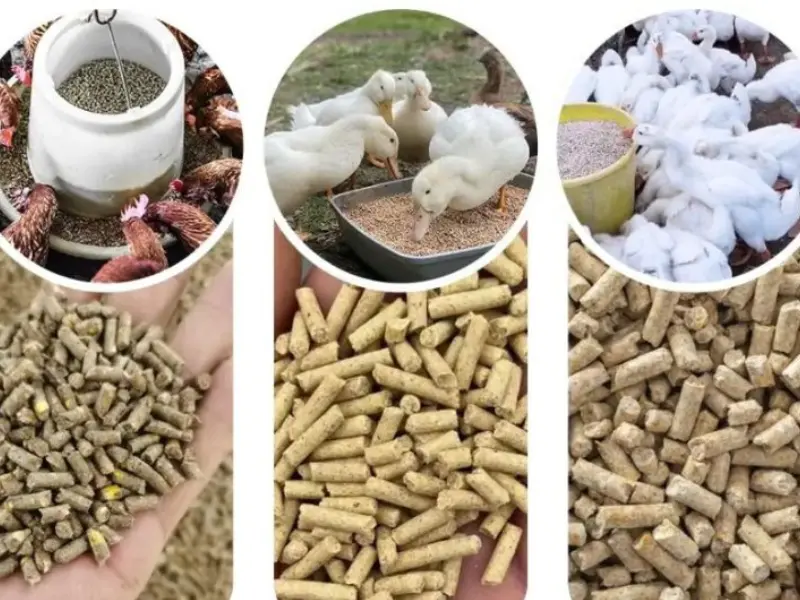
Types of Broiler Feed
Heat Stability: Feed is often produced through a pelleting process that involves high temperatures. The enzymes selected need to be heat-stable enough to survive pelleting without losing their effectiveness. Many modern enzyme products are specifically coated or formulated to withstand high temperatures.
Dosage and Balance: Using too little enzyme produces minimal benefit, while using too much can be wasteful. Finding the right dosage and the right combination of enzyme activities is central to good formulation practice.
At SB Group, the development of Jio Feed products takes these principles into account, ensuring that the feeds produced meet the nutritional needs of Nepali poultry birds while also supporting farmers in getting the best return on their feed investment.
Benefits of Enzyme Formulation for Poultry Farmers in Nepal
For farmers in Nepal, enzyme-enriched feed offers very practical advantages that translate directly into better farm results.
- Better Feed Conversion Ratio (FCR): Less feed is needed to achieve the same body weight or egg output, which directly cuts input costs
- Improved Daily Weight Gain: Broilers on enzyme-supplemented diets tend to grow faster and more uniformly
- Higher Egg Production: Layers benefit from improved protein and energy utilisation, which supports consistent egg production
- Healthier Gut: Enzymes reduce the buildup of undigested material in the gut, lowering the risk of digestive disorders and infections
- Cost Savings on Ingredients: Enzymes allow nutritionists to use alternative raw materials or reduce expensive mineral and protein supplements without compromising performance
- Reduced Manure Output: When birds digest feed more completely, there is less waste excreted, which makes farm management cleaner and more environmentally responsible
Common Challenges in Enzyme Use
While enzyme supplementation has clear benefits, there are also some common challenges that farmers and feed manufacturers need to be aware of:
- Quality Variation: Not all enzyme products available in the market are of equal quality. The enzyme activity levels can vary between brands, and some products may not deliver what is promised on the label.
- Storage Conditions: Enzymes are sensitive to heat and moisture. Improper storage can reduce their effectiveness before they even reach the feed mill.
- Pelleting Losses: High temperatures during feed pelleting can degrade enzymes. This is why selecting thermostable enzyme products is important for pelleted feed.
- Formulation Complexity: Getting the right enzyme combination for a specific feed matrix requires technical knowledge and access to good laboratory data on raw material composition.
- Farmer Awareness: Many small-scale poultry farmers in Nepal are not yet fully aware of the benefits of enzyme-enriched feed, which limits adoption at the farm level.
Opportunities for the Poultry Feed Sector in Nepal
The growing poultry industry in Nepal creates a real opportunity to expand the use of enzyme-based feed formulation across more farms and more feed types. Some of the most promising areas include:
- Wider use of locally available and alternative raw materials enabled by enzyme technology
- Development of breed-specific and age-specific enzyme blends tailored to Nepali conditions
- Greater collaboration between feed companies and veterinary and nutrition professionals
- Increased farmer education and extension services on the value of quality feed
- Expansion of quality feed brands that include enzyme formulation as a standard feature rather than an add-on
Tips for Poultry Farmers When Choosing Enzyme-Enriched Feed
Farmers who want to benefit from enzyme-enriched poultry feed should keep the following in mind:
- Choose feed from reputable manufacturers who are transparent about their formulation practices
- Look for feeds that clearly state the inclusion of enzymes like phytase or xylanase on the product label
- Monitor your flock’s feed conversion ratio and body weight gain regularly to assess whether the feed is delivering value
- Store feed properly in a cool, dry place to preserve enzyme activity
- Consult with a poultry nutritionist or veterinarian if you are unsure which feed type is best suited for your flock
- Compare flock performance across different feed products before making a permanent switch
Conclusion
Enzyme formulation for poultry feed is not a complicated concept once you understand what it is trying to achieve. It is, at its core, about making sure that the feed going into your birds is being used as efficiently as possible. In a country like Nepal, where feed costs are high and profit margins in poultry farming can be thin, this kind of efficiency matters a great deal.
Companies like SB Group have made it a priority to incorporate these advances into locally manufactured feed products like Jio Feed, giving Nepali poultry farmers access to nutrition solutions that were previously available only through expensive imported products.
As the poultry sector continues to grow and as farmers become more informed about what goes into their feed, enzyme formulation will likely become a standard expectation rather than a bonus feature. For any farmer who is serious about improving flock performance and running a more profitable poultry operation, understanding and using enzyme-enriched feed is a step in the right direction.
Read More: Poultry Feed Management in Nepal: A Complete Guide