
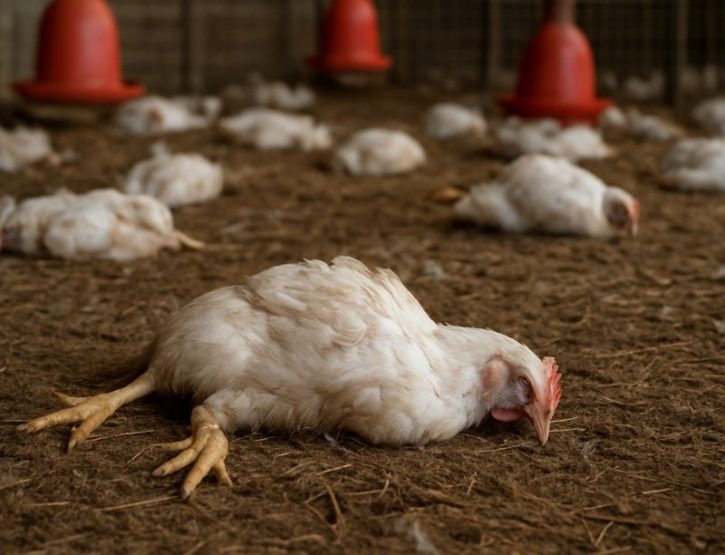
Poultry Mortality Control: Strategies, Challenges, and Sustainable Solutions
The poultry sector is one of the fastest-growing agricultural industries in Nepal, supplying a significant portion of the country’s meat, eggs, employment, and rural income generation. As the demand for poultry products increases every year, maintaining bird health and productivity has become more critical than ever.
Among the various challenges the industry faces, poultry mortality control in Nepal holds the highest importance. High mortality rates not only reduce farm profitability but also threaten the sustainability of the poultry value chain, including hatcheries, feed industries, veterinarians, breeders, and smallholder farmers.
This comprehensive article provides an in-depth look at the causes of poultry mortality, current challenges in Nepal’s poultry sector, and actionable strategies to reduce losses and enhance productivity. For many small and medium farmers, losing even 5–10% of their flock leads to significant financial setbacks.
Managing and reducing mortality is crucial for:
- Enhancing farm profitability
- Reducing disease outbreaks
- Improving feed efficiency
- Ensuring safe and quality poultry products
- Building a sustainable poultry economy
With this background, understanding poultry mortality control is essential for every farmer, veterinarian, and stakeholder in the industry.
Major Causes of Poultry Mortality in Nepal
To strengthen poultry mortality control in Nepal, it is important to identify the major causes leading to bird deaths. These causes can be grouped into five broad categories.
Infectious Diseases
Disease outbreaks are the leading cause of death in poultry farms. The most common diseases in Nepal include:
- Newcastle Disease (Ranikhet): Highly contagious, causes respiratory stress, greenish diarrhea, and sudden mortality. Common in poorly vaccinated flocks.
- Infectious Bursal Disease (IBD/Gumboro): Affects young birds, High mortality in broilers, and Immunosuppression leads to secondary infections.
- Salmonellosis: Causes diarrhea, weakness, and high mortality in chicks. Spreads through contaminated feed or water.
- Mycoplasmosis: Chronic respiratory disease, reduces production, and increases mortality
- Avian Influenza (AI): Zoonotic disease, causes severe outbreaks and mass mortality, seen occasionally in Nepal.
Without proper vaccination and biosecurity, these diseases spread quickly, increasing farm losses.
Poor Brooding Management
Brooding is the most critical stage of poultry production. Chick mortality is high when farmers fail to maintain proper temperature, hygiene, and brooder space.
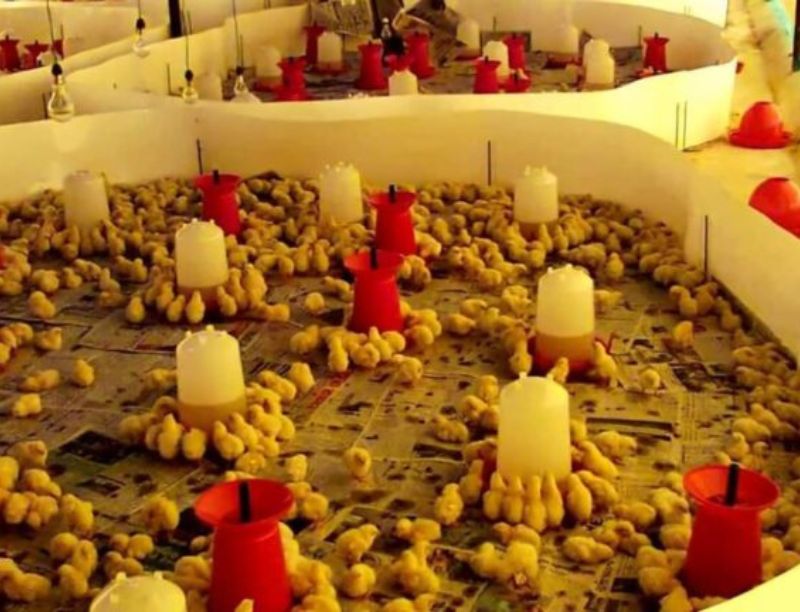
Brooding Management(Source: pashudhanpraharee)
Common brooding problems include:
- Chilling or overheating
- Poor ventilation
- Wet litter
- Lack of clean water
- Overcrowding
These stressors weaken chicks, making them susceptible to infections.
Nutritional Imbalances
Feed quality is directly linked to poultry survival. Poor-quality or adulterated feed leads to:
- Weak immune response
- Slow growth
- Nutritional deficiencies (vitamins, minerals)
- Organ failure
- Sudden mortality in fast-growing broilers
Feed contamination (mold, fungus, aflatoxins) is also a major problem in Nepal due to humid storage conditions.
Environmental and Climatic Stress
Nepal’s diverse climate—from Terai heat to mountain cold—poses challenges for poultry farming.
Environmental causes of mortality include:
- Heat stress in summer
- Chill stress in winter
- High ammonia levels
- Inadequate ventilation
- Power cuts are affecting fans and heating systems
Extreme weather events such as heavy rainfall or cold waves further contribute to flock losses.
Poor Biosecurity Practices
Lack of proper biosecurity is one of the biggest weaknesses in Nepal’s poultry sector. Common mistakes include:
- Allowing visitors inside the farm
- Lack of footbaths and disinfection
- Mixing birds of different ages
- Purchasing chicks from unreliable hatcheries
- Weak vaccination planning
Improper biosecurity exposes birds to pathogens, increasing mortality risk.
Key Strategies for Poultry Mortality Control
For effective poultry mortality control in Nepal, farmers must adopt a multi-layered approach combining prevention, management, and monitoring. The strategies below are practical and suitable for both small and large farms.
Strengthen Biosecurity Practices
Biosecurity is the first line of defense.
Essential Biosecurity Guidelines
- Restrict visitor entry
- Use footbaths with disinfectants
- Separate sick birds immediately
- Clean and disinfect equipment regularly
- Control rodents and wild birds
- Maintain all-in, all-out systems
- Keep farm surroundings clean
Farmers who follow strict biosecurity often experience up to 70% reduction in disease outbreaks.
Effective Vaccination Schedule
Vaccination is crucial for disease prevention.
A typical broiler vaccination plan includes:
- Day 1: Marek’s Disease
- Day 5–7: Newcastle (B1) + IBD
- Day 14: IBD booster
- Day 21: Newcastle (Lasota)
For layer birds:
- Additional vaccinations for Fowl Pox, IB, and EDS
Farmers must consult qualified veterinarians to develop a customized vaccination schedule based on local disease patterns.
Improve Brooding Management
Proper brooding reduces early chick mortality by 50–60%.
Brooding Checklist
- Maintain temperature at 32–35°C for the first week
- Provide fresh, clean water from day one
- Ensure deep litter is dry and clean
- Avoid overcrowding
- Offer high-quality chick starter feed
The first 7 days are crucial, as chick immunity and growth depend on early care.
Ensure Quality Feed and Nutrition
Poultry mortality control is impossible without quality feed.
Recommendations
- Buy feed from reputable suppliers
- Avoid moldy or clumped feed
- Store feed in dry, cool rooms
- Add vitamin supplements during stress
- Use toxin binders in the feed to prevent aflatoxin poisoning
For fast-growing broilers, balanced protein, amino acids, and energy levels are essential.
Maintain Proper Ventilation and Temperature
Ventilation helps control humidity, remove ammonia, and maintain oxygen balance.
Environmental Management Tips
- Install fans and exhaust systems
- Use curtains in open-sided sheds
- Keep ammonia levels below 10 ppm
- Provide adequate light during early growth stages
- Ensure dry litter to prevent respiratory infections
Environmental control can reduce respiratory diseases and boost growth.
Clean Water Supply and Sanitation
Dirty water spreads diseases like Salmonella, E. coli, and Mycoplasma.
Water Safety Practices
- Clean drinkers daily
- Use water sanitizers
- Provide cool water during the summer
- Test water quality periodically
Healthy birds drink more water, improving digestion and overall health.
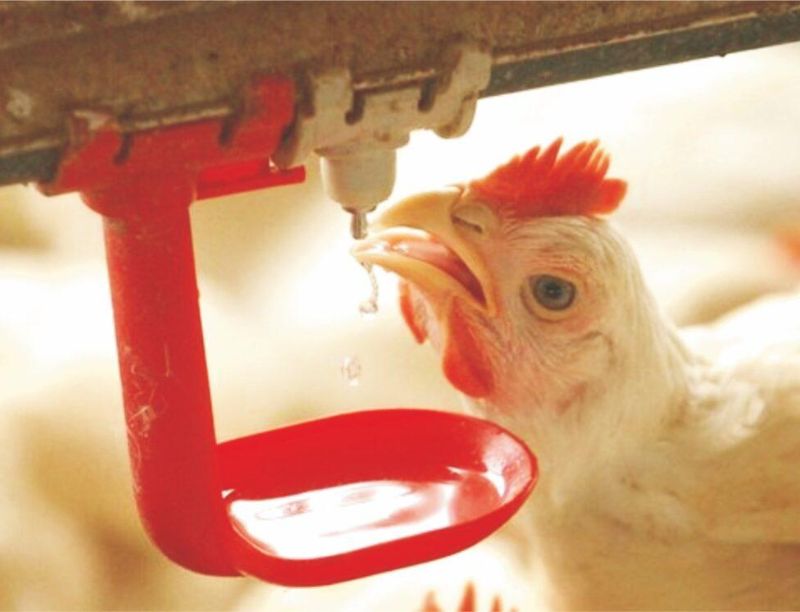
Clean Water Supply(Source: srpublication)
Regular Veterinary Consultation
Professional guidance is a must for effective poultry mortality control in Nepal.
Veterinarians help with:
- Disease diagnosis
- Treatment plans
- Vaccination schedules
- Farm audits
- Mortality investigations
Regular check-ups minimize avoidable losses.
Regular Monitoring of Flock Health
Farmers should maintain daily records of:
- Feed intake
- Water consumption
- Body weight gain
- Temperature
- Mortality numbers
Record keeping helps identify problems early and respond quickly.
Seasonal Poultry Mortality Control in Nepal
Different seasons pose different challenges, requiring seasonal strategies.
Winter Season
- Provide adequate heating
- Use deep litter bedding
- Prevent cold drafts
- Supplement vitamins A, D, and E
Summer Season
- Install cooling systems
- Provide electrolyte solutions
- Ensure 24-hour clean water
- Reduce stocking density
Monsoon Season
- Control moisture levels
- Prevent moldy feed
- Increase disinfection frequency
- Monitor respiratory infections
Each season demands special care to control mortality effectively.
Conclusion
Poultry mortality control in Nepal is one of the most important factors influencing farm success, industry growth, and national food security. With better biosecurity, proper vaccination, quality nutrition, effective brooding, and environmental management, farmers can significantly reduce losses and improve profitability. As poultry continues to be a major source of protein and employment in Nepal, focusing on mortality control is essential for sustainable development.
By prioritizing training, infrastructure, and scientific farming practices, Nepal’s poultry sector can achieve healthier flocks, stronger productivity, and long-term stability.
Read More: Best Poultry Nutrition Supplements