
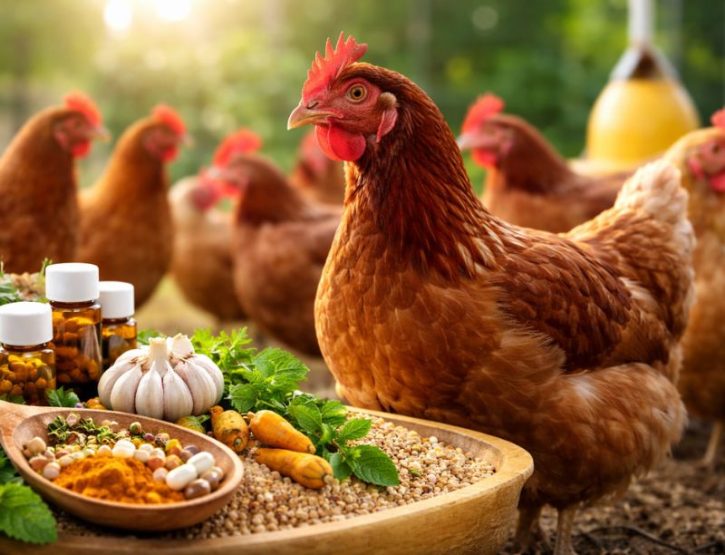
Poultry Immunity Booster: Ensuring Healthy Flocks for Sustainable Farming
Poultry farming has become a cornerstone of agriculture in Nepal, providing a reliable source of protein, employment, and economic growth. However, maintaining healthy flocks is a constant challenge for farmers due to diseases, poor nutrition, and environmental stressors.
A key solution to these challenges is the use of poultry immunity boosters in Nepal, which enhance the natural defense mechanisms of birds, reduce poultry mortality, and improve productivity. This article delves into the importance, types, application, and benefits of poultry immunity boosters, specifically tailored for the context of Nepalese poultry farming.
Why Poultry Immunity Boosters Are Essential
Immunity in poultry refers to the ability of birds to resist diseases caused by bacteria, viruses, fungi, and other pathogens. Like humans, chickens, ducks, quails, and other domesticated birds rely on a strong immune system to stay healthy. Weak immunity can result in reduced growth, low egg production, increased susceptibility to disease, and significant financial losses for farmers.
- High Disease Prevalence: Nepal’s diverse climate, ranging from tropical lowlands to Himalayan highlands, presents a unique challenge for poultry health. Fluctuations in temperature, humidity, and ventilation can stress birds, weakening their immune system. Poultry immunity boosters help mitigate the impact of these stressors by enhancing the birds’ natural defense mechanisms.
- Increased Productivity: Healthy birds are more productive. Broilers grow faster, layers produce more eggs, and overall feed conversion improves when immunity is strong. Immunity boosters in Nepal are formulated to provide essential nutrients, vitamins, and herbal extracts that support metabolic functions and disease resistance.

Poultry Immunity Boosters Are Essential(Source: abtlenzymes)
- Cost-Effective Disease Management: Relying solely on vaccinations or antibiotics can be costly and sometimes ineffective. Poultry immunity boosters serve as a preventive measure, reducing the need for expensive treatments and minimizing losses from disease outbreaks.
- Sustainable Farming Practices: With growing awareness about organic and antibiotic-free poultry products, immunity boosters provide a sustainable solution. By naturally enhancing immunity, farmers can reduce chemical interventions, ensuring healthier poultry products for the market.
Types of Poultry Immunity Boosters Available
Poultry immunity boosters can be categorized based on their composition and method of administration. In Nepal, farmers have access to several options:
Vitamin and Mineral-Based Boosters
Vitamins A, D, E, and C, along with minerals like zinc, selenium, and manganese, are crucial for maintaining a robust immune system in poultry. These boosters can be administered through feed or water. Regular supplementation helps improve resistance to infections, especially in young chicks and layers during peak production periods.
Probiotics and Prebiotics
Probiotics are live microorganisms that promote gut health, while prebiotics are non-digestible fibers that feed beneficial gut bacteria. A healthy gut directly correlates with strong immunity because it improves nutrient absorption and prevents colonization by harmful pathogens. In Nepal, probiotic-based immunity boosters are increasingly popular among both small-scale and commercial poultry farmers.
Herbal and Natural Immunity Boosters
Herbal formulations containing ingredients like garlic, turmeric, neem, tulsi, and aloe vera are gaining popularity in Nepal. These natural immunity boosters are preferred for organic and antibiotic-free poultry farming. They contain antioxidants, anti-inflammatory compounds, and antimicrobial properties that enhance the birds’ defense system naturally.
Vaccination Support Boosters
Vaccines remain the primary defense against specific poultry diseases. However, their effectiveness depends on the bird’s overall immunity. Immunity boosters administered alongside vaccines enhance antibody response, ensuring better protection against diseases such as Newcastle Disease, Infectious Bronchitis, and Marek’s Disease.
Stress-Reducing Immunity Boosters
Environmental stressors, including heat, overcrowding, and transportation, can weaken poultry immunity. Stress-reducing boosters contain adaptogens, vitamins, and minerals that help birds cope with stress, maintain health, and prevent disease outbreaks.
Benefits of Poultry Immunity Boosters
Implementing immunity boosters in poultry farming brings multiple advantages:
- Reduced Mortality: Stronger immunity helps prevent sudden deaths from common infectious diseases, ensuring a stable flock and reducing financial losses.
- Enhanced Growth and Production: Broilers achieve faster weight gain, and layers produce more eggs with better quality when immunity is optimal.
- Lower Reliance on Antibiotics: By enhancing natural disease resistance, immunity boosters reduce the need for antibiotics, promoting safer poultry products and sustainable farming practices.
- Better Response to Vaccines: Boosted immunity improves the efficacy of vaccines, ensuring stronger protection against prevalent poultry diseases in Nepal.
- Economic Sustainability: Reduced disease outbreaks, higher productivity, and lower treatment costs contribute to the overall profitability of poultry farming in Nepal.
Challenges and Considerations in Using Immunity Boosters
While immunity boosters are highly beneficial, certain challenges must be addressed:

Challenges of Poultry Immunity Boosters(Source: naturalremedy)
- Quality and Availability: Not all products available in the Nepalese market are of high quality. Farmers should choose reputable brands and verify product authenticity.
- Cost Constraints: Small-scale farmers may find regular supplementation costly. Government subsidies or cooperative models can help make immunity boosters more accessible.
- Lack of Awareness: Many backyard poultry farmers are unaware of immunity boosters or how to use them effectively. Awareness programs, training, and demonstrations are essential.
- Integration with Overall Management: Boosters cannot replace poor management practices. Clean housing, proper nutrition, and vaccination are fundamental for optimal results.
Tips for Sustainable Use of Poultry Immunity Boosters
In Nepal, where poultry farming ranges from small backyard setups to large commercial farms, the management of immunity is critical. Traditional farming practices, limited access to veterinary services, and variable feed quality make birds more prone to diseases such as Newcastle Disease, Avian Influenza, Infectious Bursal Disease, and Fowl Pox. This is where poultry immunity boosters in Nepal play a vital role.
- Start Early: Administer immunity boosters from the chick stage to build long-term resilience.
- Rotate Products: Using different formulations periodically can prevent resistance and ensure optimal results.
- Observe Seasonal Changes: Increase immunity support during winter or monsoon seasons when disease risk is higher.
- Maintain Clean Water and Feed: Contaminated water or feed can negate the effects of immunity boosters.
- Collaborate With Experts: Engage local veterinarians or poultry consultants for guidance on booster selection and administration.
Conclusion
In the rapidly growing poultry industry of Nepal, poultry immunity boosters are no longer optional—they are essential. They provide a cost-effective, sustainable, and natural way to strengthen the health of flocks, reduce disease-related losses, and improve productivity. Whether through vitamins, probiotics, herbal formulations, or stress-reducing solutions, these boosters enhance the birds’ natural defense systems, ensuring healthier poultry and profitable farming.
For Nepalese farmers aiming to expand their operations, maintain flock health, and meet the growing demand for poultry products, incorporating poultry immunity boosters in Nepal into daily management practices is a strategic and profitable step. Combining these boosters with proper nutrition, vaccination, hygiene, and environmental management ensures long-term success in poultry farming.
Read More: Free Range Poultry Farming