
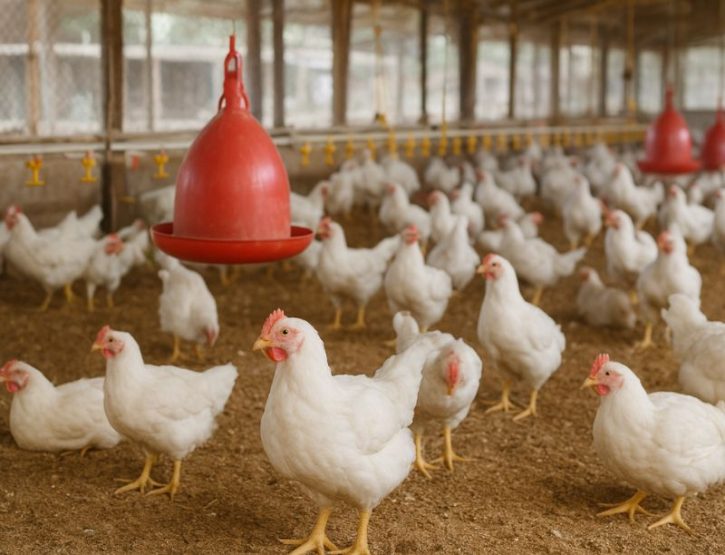
Biosecurity in Poultry Farms: A Complete Guide
Poultry farming has become one of the fastest-growing sectors of Nepal’s agriculture. However, as poultry production expands, so does the threat of diseases. Outbreaks of avian influenza, Newcastle disease, salmonellosis, mycoplasmosis, and infectious bursal disease continue to affect farms every year, causing heavy financial losses.
This is why biosecurity in poultry farms in Nepal has become a critical priority for farmers, veterinarians, feed suppliers, and government agencies.
Biosecurity is the most effective and affordable method to prevent disease introduction, control infection levels, reduce mortality rates, and improve overall farm productivity. Whether you run a small backyard farm or a large commercial enterprise, strong biosecurity measures can mean the difference between high profits and devastating losses.
This comprehensive guide explains everything farmers need to know about biosecurity in poultry farms in Nepal, including its importance, challenges, practical steps, and ways to build a disease-free poultry environment.
Understanding Biosecurity in Poultry Farms
Biosecurity refers to all the preventive measures designed to protect poultry from infectious diseases by controlling the movement of people, animals, equipment, feed, and biological agents. It is a combination of:
- Physical barriers (fences, footbaths, equipment)
- Management practices (cleaning, disinfection, record keeping)
- Behavioral discipline (limiting entry, personal hygiene)
- Vaccination and health monitoring
In Nepal, biosecurity plays an essential role because the country’s poultry sector faces unique risks:
- Dense poultry-producing districts like Chitwan and Kathmandu
- Proximity of multiple farms in small areas
- Widespread backyard farming without proper sanitation
- Seasonal disease outbreaks due to fluctuating temperatures and humidity
- Frequent movement of chicks, feed, and farm workers
- Limited awareness among farmers about disease prevention
As a result, maintaining biosecurity in poultry farms in Nepal is not just a recommendation—it is an absolute necessity.
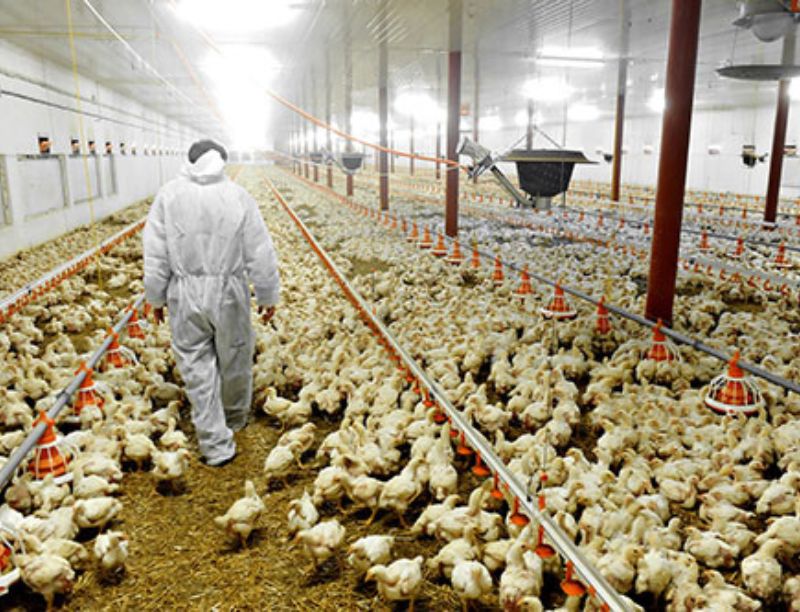
Understanding Biosecurity in Poultry Farms(Source: thepoultrysite)
Why is Biosecurity Important in Poultry Farms
Many farmers only realize the importance of biosecurity after experiencing disease outbreaks. However, prevention is always cheaper and more effective than treatment.
- Prevents Disease Introduction: Nepal’s poultry sector is highly vulnerable to viral and bacterial diseases. Proper biosecurity minimizes the chances of these pathogens entering the farm.
- Reduces Mortality and Economic Loss: Diseases like bird flu, CRD (Chronic Respiratory Disease), and coccidiosis can kill large numbers of birds within days. With biosecurity, mortality can be significantly reduced.
- Improves Feed Efficiency: Healthy birds convert feed into meat and eggs more effectively. Disease-free flocks grow faster, require fewer antibiotics, and produce better results.
- Protects Human Health: Some poultry diseases (e.g., avian influenza, salmonella) can be transmitted to humans. Strong biosecurity protects farm workers and the surrounding community.
- Supports Long-Term Sustainability: The future of Nepal’s poultry industry depends on consistent, disease-free production. Biosecurity ensures stable and sustainable growth for farmers and the nation.
Categories of Biosecurity Measures in Nepali Poultry Farms
Biosecurity generally falls under three categories:
External Biosecurity (Prevention of Disease Entry)
These measures stop diseases from entering the farm:
- Controlled farm access
- Strict visitor rules
- Vehicle disinfection
- Quarantine of new birds
Internal Biosecurity (Disease Control Within the Farm)
These prevent disease spread inside the farm:
- Cleaning and disinfection routines
- Separate areas for different age groups
- Proper manure management
- Farm sanitation
Procedural Biosecurity (Human Behavior and Management)
These practices ensure biosecurity rules are followed daily:
- Staff training
- Record keeping
- Personal protective equipment
- Consistent vaccination and deworming
All three categories are essential for strong biosecurity in poultry farms in Nepal.
Key Challenges to Biosecurity in Poultry Farms in Nepal
While biosecurity is essential, many Nepali farms struggle to implement it effectively due to several challenges:
- Lack of Awareness: Small-scale and backyard farmers often have limited knowledge about disease transmission.
- Financial Constraints: Some farmers believe that biosecurity is expensive and avoid investing in basic infrastructure.
- High Farm Density: With many poultry farms located close together, disease spreads rapidly.
- Frequent Movement of Chicks and Feed: Delivery trucks and workers often act as carriers of infection.
- Climate Conditions: Nepal’s fluctuating climate increases the risk of respiratory diseases and infections.
- Poor Waste Management: Improper disposal of litter and dead birds can encourage the growth of pathogens.
Despite these challenges, most biosecurity measures are affordable, practical, and highly effective when applied consistently.
Essential Biosecurity Practices for Poultry Farms
Below are the most critical steps to strengthen biosecurity in both commercial and smallholder farms.
Farm Location and Structural Biosecurity
- Select a site away from other poultry farms, livestock markets, and water bodies.
- Build a perimeter fence to prevent the entry of animals and unauthorized people.
- Install a single entry and exit point.
- Ensure proper ventilation, sunlight access, and drainage to reduce humidity.
- Cover sheds with mosquito and bird-proof netting to prevent wild bird entry.
These physical barriers are the foundation of strong biosecurity in poultry farms in Nepal.
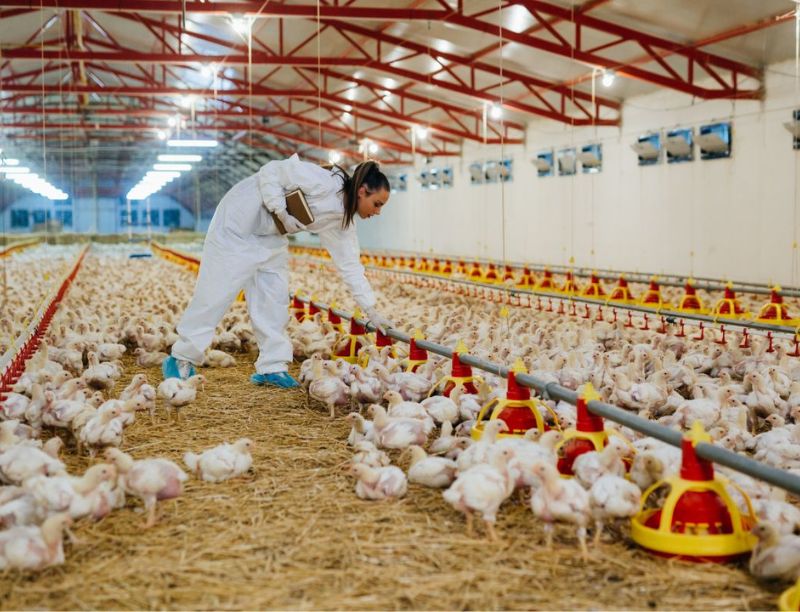
Structural Biosecurity(Source: wikifarmer)
Controlled Access and Visitor Management
- Keep a record of all visitors entering the farm.
- Restrict unnecessary entry of outsiders, including relatives or neighbors.
- Provide clean boots and overalls at the entrance.
- Disinfect footwear using a footbath containing recommended disinfectant.
- No outside vehicles should enter the farm without proper spraying or disinfection.
Human traffic is the primary vector for pathogens, so strict access controls are critical.
Quarantine and Monitoring of New Birds
- Never mix new birds with existing flocks.
- Quarantine newly purchased birds for 10–14 days.
- Buy chicks only from registered, disease-free hatcheries.
- Regularly monitor birds for symptoms like respiratory distress, diarrhea, or weakness.
This helps prevent the introduction of dangerous infections from the outside.
Cleaning and Disinfection Protocols
A clean environment is the heart of biosecurity. Every farm must adopt regular disinfection routines:
- Wash feeders and drinkers daily.
- Remove leftover feed and spilled water to prevent mold and bacteria.
- Disinfect poultry houses using approved disinfectants before introducing new batches.
- Maintain dry litter with proper bedding management.
- Clean equipment and tools after every use.
Regular cleaning significantly reduces the presence of disease within the farm.
Feed and Water Biosecurity
- Store feed in clean, dry, rodent-proof rooms.
- Use covered feeders and keep feed trays elevated at all times.
- Provide clean, pathogen-free drinking water.
- Use water sanitizers or chlorine to destroy harmful microorganisms.
- Protect feed from wild birds, rodents, and insects.
Feed and water contamination is a significant cause of disease, especially in rural areas of Nepal.
Vaccination and Health Programs
Vaccination is a pillar of biosecurity in poultry farms in Nepal.
Essential vaccines include:
- Newcastle Disease (ND)
- Infectious Bursal Disease (IBD)
- Marek’s Disease
- Avian Influenza (as recommended by authorities)
- Fowl Pox
- Mycoplasma (for large broiler/breeder farms)
Always follow the recommended vaccination schedule and maintain complete health records.
Proper pest control enhances the success of any biosecurity program.
Benefits of Strong Biosecurity for Nepali Poultry Farmers
When biosecurity is implemented correctly, farmers experience significant advantages:
- Lower disease outbreaks
- Reduced medicine and antibiotic costs
- Higher production of meat and eggs
- Improved bird growth and feed conversion
- Higher profit margins
- Stronger market reputation
- Better long-term sustainability
These benefits clearly show that biosecurity is an investment—not an expense.
Future of Biosecurity in Poultry Farms
As the poultry sector continues to expand, biosecurity will become even more critical. The government, poultry associations, and educational institutions must work together to promote:
- Farmer awareness programs
- Affordable disinfectants and vaccines
- Standard operating procedures for all farms
- Improved diagnostic laboratories
- Online disease alert systems
- Research on local disease patterns
With firm commitment, Nepal can build a disease-free, productive, and profitable poultry industry.
Conclusion
Biosecurity on poultry farms in Nepal is the backbone of a healthy, profitable poultry sector. It protects birds from deadly diseases, ensures high production, reduces costs, and protects human health. Although challenges exist, most biosecurity measures are affordable and easy to implement with proper planning and consistent effort.
Whether you are a small backyard farmer or a commercial poultry entrepreneur, adopting strong biosecurity practices is the most intelligent decision you can make for long-term success. A disease-free farm is not only more productive but also more sustainable, safer, and more profitable.
Read More: Poultry Breed Selection Guide