
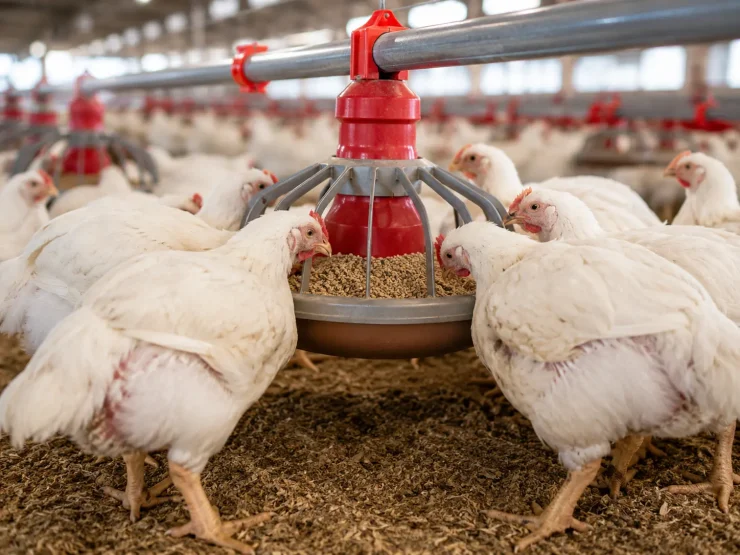
Feed Intake Formula in Poultry in Nepal
Ask any experienced poultry farmer what separates a profitable flock from an underperforming one, and the answer will almost always come back to feed. Not just the type of feed, but how much of it the birds are actually consuming every single day. Too little, and growth slows down. Too much, and feed costs spiral out of control.
Getting that number right is where the feed intake formula in poultry becomes one of the most useful tools a farmer can have.
Feed intake is not something you guess at. It is something you calculate, monitor, and adjust based on the type of bird, the stage of production, the weather, the housing system, and several other factors that vary from farm to farm.
In Nepal, where poultry farming has grown into a commercially significant sector, farmers who understand and apply feed intake formulas consistently tend to produce better results than those who simply fill the feeders and hope for the best.
This article breaks down what feed intake formula in poultry means, how it is calculated, what factors influence it, and how farmers in Nepal can use it to improve both performance and profitability. SB Group’s Jio Feed products are formulated with these principles in mind, supporting farmers with feed that delivers predictable and consistent results across different stages of production.
What is feed intake in poultry?
Feed intake refers to the total amount of feed that a bird consumes within a given period, usually measured per day or per week. It is one of the most important production parameters in poultry farming because feed accounts for roughly 60 to 70 percent of the total cost of poultry production.
Monitoring feed intake gives farmers a direct window into the health, comfort, and nutritional status of their flock. When birds eat well and consistently, it is usually a sign that conditions on the farm are right.
When feed intake drops suddenly or stays consistently below expected levels, it is almost always a signal that something needs attention, whether that is disease, temperature stress, water supply issues, or a problem with the feed itself.
Understanding the feed intake formula allows farmers to calculate how much feed their birds should ideally be consuming, compare that against actual consumption, and make adjustments accordingly.
Why Feed Intake Formula Matters for Poultry Farmers in Nepal
Nepal’s poultry industry has expanded significantly over the past two decades, moving from small backyard operations to larger semi-commercial and commercial farms. With this growth has come greater pressure on farmers to manage their inputs more carefully. Proper poultry management in Nepal now involves a level of record-keeping and calculation that was not as common in earlier years.
Using a feed intake formula helps farmers in several ways:
- Control feed costs by knowing exactly how much feed is needed at each stage of production
- Detect health problems early, since a drop in feed intake is often the first visible sign of illness in a flock
- Improve feed conversion ratio (FCR), which measures how efficiently feed is being converted into body weight or egg production
- Reduce wastage by avoiding overfeeding, which leads to spillage and attracts pests
- Plan feed purchases more accurately, avoiding both shortage and excess stock
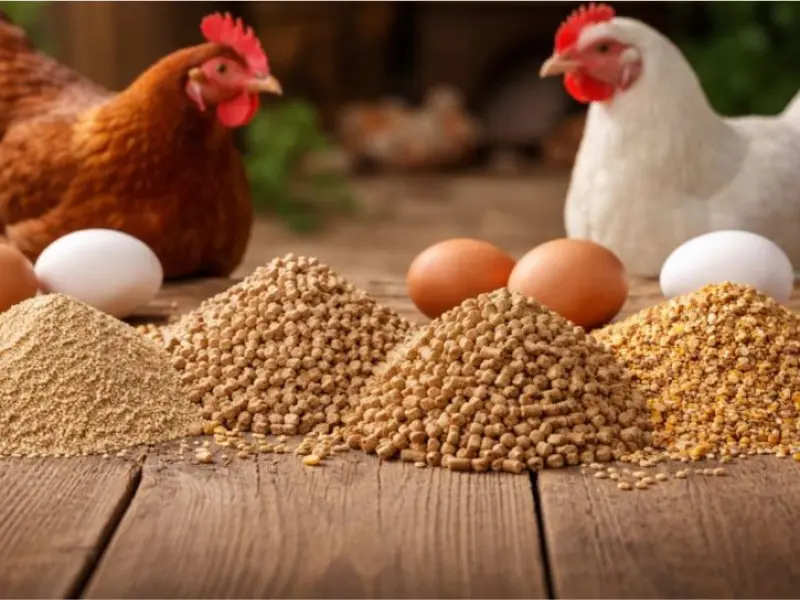
Broiler (Poultry) Feeds
Basic Feed Intake Formula in Poultry
The most commonly used formula for calculating daily feed intake in poultry is straightforward:
Daily Feed Intake (grams per bird) = Body Weight (grams) x Feeding Rate (%)
The feeding rate is usually expressed as a percentage of body weight and varies depending on the type of bird and the stage of production.
For broilers, it typically falls between 8 and 10 percent of body weight during the starter phase, reducing gradually as the bird grows. For layers, the figure is calculated differently, taking into account energy requirements for both body maintenance and egg production.
Another formula commonly used in the industry is:
Total Daily Feed Required = Number of Birds x Daily Feed Intake per Bird
This gives farmers a quick way to calculate how much feed they need to put out each day across the entire flock, making it easier to manage feeding schedules and stock levels.
For layers, the formula takes a slightly different shape because the goal is not just weight gain but also egg production. A simplified version looks like this:
Daily Feed Intake for Layers = (Maintenance Energy Requirement + Production Energy Requirement) / Energy Density of Feed
While the exact figures require knowledge of the specific feed’s nutritional composition, most quality layer feeds will come with feeding guidelines from the manufacturer that simplify this calculation for the farmer.
Feed Intake at Different Stages of Production
Feed intake is not the same throughout a bird’s life. It changes significantly depending on the age and production stage of the bird, which is why feed intake formulas are always stage-specific.
Starter Phase (Day 1 to Day 10)
During the starter phase, chicks have very small digestive systems and limited capacity to eat. Feed intake starts low, around 10 to 15 grams per bird per day in the first few days, and increases gradually as the bird grows.
At this stage, feed energy density and digestibility matter more than volume, since the chick cannot physically consume large amounts.
Grower Phase (Day 11 to Day 24)
As the bird grows and its digestive capacity increases, feed intake rises steadily. Broilers in this phase may consume anywhere from 50 to 100 grams per bird per day depending on the breed and the target growth rate. It is during this phase that the feed conversion ratio begins to play a significant role in determining profitability.
Finisher Phase (Day 25 to Slaughter)
Broilers in the finisher phase have the highest daily feed intake, sometimes reaching 150 to 180 grams per bird per day in the final week before slaughter. Managing this stage well is critical because the cost of feed during the finisher phase represents a large share of the total feed cost for the entire production cycle.
Layer Production Phase
Layers have a different intake curve compared to broilers. During peak lay, a laying hen typically consumes between 100 and 120 grams of feed per day, depending on the breed, body weight, season, and level of egg production. Farmers need to be aware that intake will naturally drop during hot weather, which makes seasonal adjustments to feed density necessary.
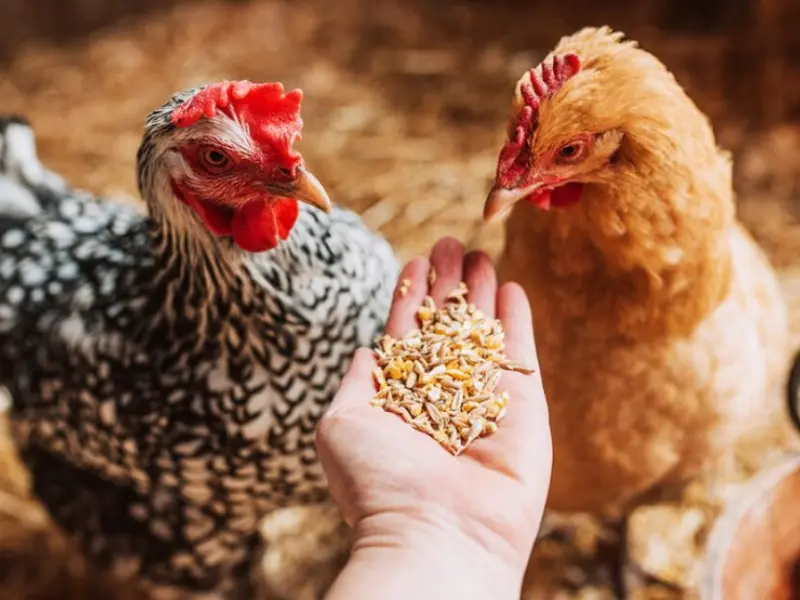
Poultry Feeding
Factors That Affect Feed Intake in Poultry
Several variables can cause actual feed intake to differ from the expected figures calculated using the formula. Understanding these factors helps farmers make better decisions when they notice differences between calculated and actual consumption.
Body Weight and Breed
Heavier breeds and strains naturally consume more feed than lighter ones. Always use breed-specific feeding guidelines as the starting point rather than generic averages.
Temperature and Climate
Temperature has one of the strongest effects on feed intake. Birds eat less in hot weather because feed digestion generates body heat and birds try to avoid adding more. In Nepal, this is particularly relevant during the hot months of the year, when temperatures in the Terai region can significantly suppress feed consumption. During cold months, the opposite happens, and birds tend to eat more to maintain body temperature. Investing in a climate-controlled poultry house is one of the most effective ways to minimize temperature-related fluctuations in feed intake.
Feed Quality and Palatability
Birds will eat more of a feed they find palatable and digestible. Poor quality feed, feed with a rancid smell, or feed that has been stored incorrectly can suppress intake even when the bird is otherwise healthy. This is one of the reasons why the type and quality of the feed formulation matters so much. Farmers can read more about how different poultry feed types affect flock performance and feed consumption.
Water Availability
Water and feed intake are directly linked. Birds that do not have access to clean, fresh water at all times will eat less. A general rule is that poultry consume roughly twice as much water as feed by weight. If water supply is restricted even for a few hours, feed intake on that day will drop noticeably.
Health Status and Disease
A drop in feed intake is one of the earliest indicators that something is wrong in the flock. Respiratory infections, gut infections, and other diseases reduce appetite quickly. Maintaining strong poultry immunity through proper nutrition and biosecurity is the best way to prevent illness-related intake drops.
Stocking Density and Feeder Space
Overcrowding reduces the time each bird can spend at the feeder, leading to uneven distribution of feed consumption across the flock. Ensuring adequate feeder space per bird is essential for uniform intake, particularly in commercial setups.
Lighting Programme
Light stimulates feeding behaviour in poultry. Farms that use extended lighting programmes generally record higher feed intake because the birds have more hours in the day during which they are active and eating.
How to Monitor Feed Intake on the Farm
Knowing the formula is one thing. Putting it into regular practice on the farm is where the real value comes in. Here is how farmers can monitor feed intake effectively:
- Weigh feed at the start of each day before distribution and record the amount given
- Weigh leftover feed at the end of the day and subtract it from the amount given to get actual daily intake
- Compare actual intake against expected intake using the formula and breed-specific guidelines
- Record data consistently so that trends become visible over time and early warnings are not missed
- Track intake alongside body weight so that feed conversion ratio can be calculated regularly
Most commercial farms will also monitor weekly cumulative feed intake and compare it against the breed standard chart provided by the hatchery or feed company.
Adjusting Feed Intake for Better Results
When actual feed intake consistently falls below expected levels, farmers should investigate and take corrective action. Some of the most common adjustments include:
- Reviewing water supply and ensuring drinkers are clean and functional
- Checking the feed for signs of spoilage, mould, or incorrect storage
- Adjusting the lighting programme to encourage more eating time
- Reviewing housing conditions, particularly ventilation and temperature
- Consulting a veterinarian if disease is suspected
When intake is above expected levels but performance is not improving proportionally, the issue may be with feed quality or energy density rather than the quantity consumed. This is where enzyme formulation in poultry feed plays a role, helping birds extract more nutrition from what they eat rather than simply consuming more of it.
Feed Intake and the Feed Conversion Ratio
Feed intake and the feed conversion ratio (FCR) are closely connected. FCR is calculated as:
FCR = Total Feed Consumed / Total Weight Gained (or Total Eggs Produced)
A lower FCR means the bird is converting feed into product more efficiently, which is what every farmer wants. Feed intake is one half of that equation. If intake is too high relative to weight gain, FCR goes up and profitability goes down. Managing feed intake carefully is therefore not just about making sure birds eat enough. It is also about making sure they are converting what they eat into results.
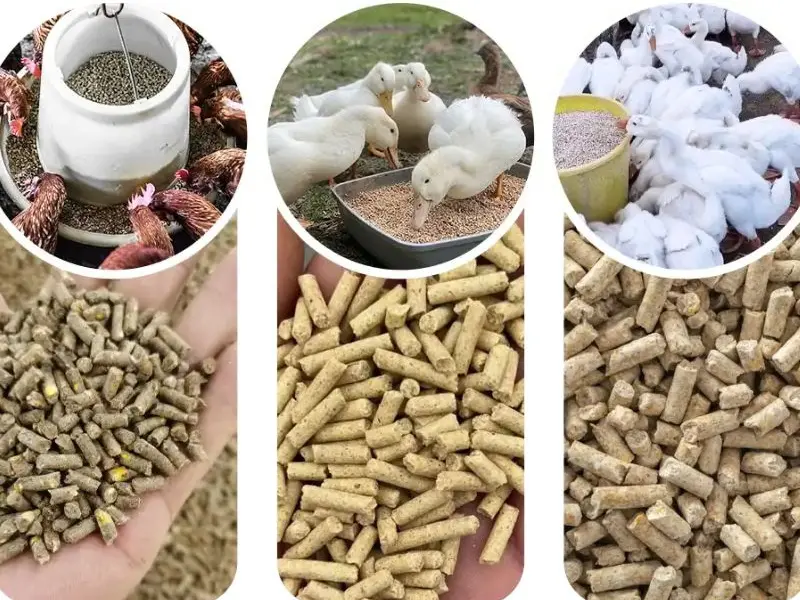
Types of Broiler Feeds
Challenges in Managing Feed Intake in Nepal
Despite the importance of feed intake management, many poultry farmers in Nepal face real challenges in applying it consistently:
- Lack of proper weighing equipment on smaller farms
- Inconsistent supply of quality feed leading to frequent feed changes that disrupt intake patterns
- Limited awareness of breed-specific intake benchmarks
- Temperature extremes in different seasons and regions affecting intake unpredictably
- High cost of climate control infrastructure for smaller operations
Opportunities for Improvement
There is a clear opportunity for farmers, feed companies, and extension services to work together and raise the standard of feed intake management across Nepal’s poultry sector. Some areas with strong potential include:
- Greater adoption of record-keeping tools and simple farm management systems
- Wider availability of breed-specific feeding guidelines from feed suppliers
- Training programmes for farmers on how to use feed intake formulas in day-to-day management
- Development of feeds with stable palatability and consistent energy density to reduce intake variability
- Expansion of affordable climate control solutions to farms of all sizes
Tips for Managing Feed Intake in Poultry
Farmers who want to get the most out of their feed intake management should focus on the following:
- Always use breed-specific feeding standards as the base for your calculations
- Weigh and record feed in and feed out every single day without exception
- Never skip water management. Clean water at all times is non-negotiable
- Adjust feed energy density during hot months rather than trying to force birds to eat more
- Review your FCR weekly and trace any increase back to feed intake or feed quality first
- Source feed from reliable suppliers who provide consistent formulations and clear feeding guidelines
Conclusion
The feed intake formula in poultry is not a complicated concept, but applying it consistently and correctly makes a significant difference to how well a farm performs.
When farmers know how much their birds should be eating, track how much they are actually eating, and understand why differences occur, they are in a far stronger position to manage costs, maintain flock health, and improve overall output.
In Nepal’s growing poultry sector, where margins can be tight and input costs continue to rise, this kind of precision in feed management is becoming less of an advantage and more of a necessity.
Whether you are raising broilers, managing a layer farm, or running a mixed flock, understanding feed intake and applying the formulas that govern it will consistently deliver better results than guesswork ever could.
SB Group’s Jio Feed range is developed to support predictable and consistent feed intake performance, giving Nepali poultry farmers a reliable foundation to build their production planning on.