
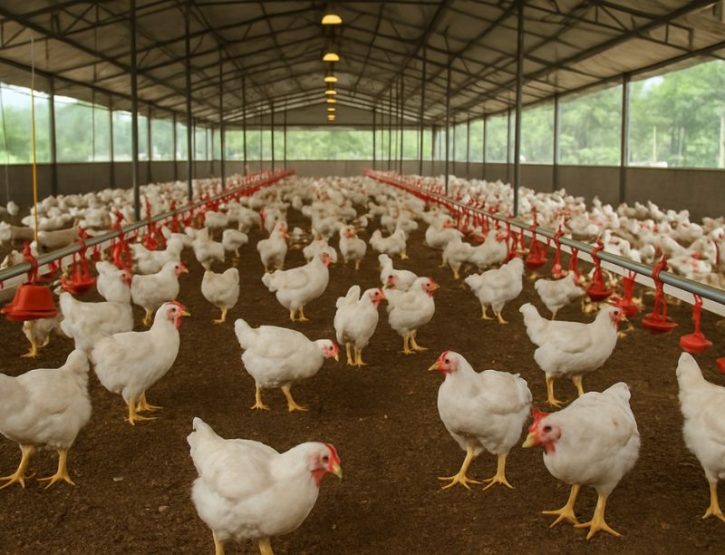
The Poultry Industry Growing: A Comprehensive Insight into Trends And Challenges
Nepal’s agricultural landscape has undergone significant transformation in the last few decades, evolving from traditional subsistence farming to market-oriented agricultural systems. Among the various sectors that have rapidly expanded, the poultry industry growing in Nepal stands out as one of the most dynamic and influential contributors to the nation’s economy.
From fulfilling domestic demand to creating employment opportunities and supporting allied industries, poultry farming has become an essential component of Nepal’s food production system.
This comprehensive article explores the remarkable growth of Nepal’s poultry sector, its current status, emerging trends, challenges, and prospects. This article provides detailed insight; this guide serves as an authoritative resource for researchers, farmers, entrepreneurs, and anyone interested in Nepal’s agricultural development.
Consumption of poultry meat and eggs has risen exponentially due to increasing incomes, urbanization, and health-conscious eating habits. Chicken has become a preferred source of lean protein for families, hotels, restaurants, and the fast-food sector.
The industry’s growth has also stimulated related businesses such as feed production, hatcheries, veterinary pharmaceuticals, and equipment manufacturing.
Historical Development: How Poultry Became a Major Industry
Historically, poultry farming in Nepal was limited to local breeds reared in rural homes for occasional consumption. There was hardly any commercial orientation. However, the shift began in the early 1990s when entrepreneurs introduced improved breeds, scientific feed, and structured farming techniques.
Key milestones in the poultry industry growing in Nepal include:
- Introduction of hybrid broilers and layers, boosting productivity.
- Establishment of commercial hatcheries, enabling large-scale chick supply.
- Growth of feed mills, ensuring consistent nutrition and rapid growth rates.
- Formation of poultry associations, promoting organized market systems.
- Government recognition of poultry as a priority agricultural sector.

History of Poultry(Source: fwi)
These developments turned poultry from a small-scale domestic product into a major commercial enterprise, contributing significantly to employment and food security.
Contribution to Nepal’s Economy
Today, the poultry industry is a multi-billion-rupee sector that directly employs more than 70,000 people and indirectly supports hundreds of thousands through associated industries. As the poultry industry grows in Nepal, its economic contributions include:
Employment Opportunities
The industry supports:
- Farm workers
- Veterinarians and technicians
- Feed mill operators
- Transporters
- Retailers and wholesalers
- Equipment manufacturers
Small and medium enterprises (SMEs) thrive in this ecosystem, creating income opportunities in both urban and rural areas.
Contribution to GDP
Studies show that poultry farming contributes nearly 4% to Nepal’s national GDP and more than 25% to the agricultural GDP. This makes it one of the most important livestock sectors in the country.
Import Substitution and Export Potential
Nepal used to rely on imported poultry products, but now domestic production meets almost 98% of local demand. Although exports are still limited due to regulatory constraints, the potential for regional export—particularly to Bangladesh, Bhutan, and Tibet—remains high.
Factors Driving Poultry Growth in Nepal
Several factors explain why the poultry industry growing in Nepal has achieved such rapid success:
Rising Consumer Demand
Chicken meat and eggs are affordable, nutritious, and widely accepted across communities. As people become more health-conscious, demand for lean protein continues to rise.
Job Creation for Rural Youth
Many young individuals who migrate back home from abroad have invested in poultry farms, finding it profitable and manageable. This has helped reduce unemployment in rural areas.
Improved Technology and Farming Methods
Modern poultry farms use:
- Automated feeders and drinkers
- Climate-controlled housing
- Scientific vaccination programs
- Balanced feed formulas
These advancements have greatly improved production efficiency and reduced mortality rates.
Strong Private-Sector Investment
More than 90% of Nepal’s poultry development is driven by the private sector. Entrepreneurs have invested heavily in:
- Hatcheries
- Feed mills
- Breeding centers
- Processing industries
This has accelerated the pace of the poultry industry’s growth in Nepal.
Major Components of Nepal’s Poultry Industry
Nepal’s poultry sector consists of several interconnected components, each contributing to the entire value chain.
- Broiler Farming: Broilers are raised for meat production. Nepal produces more than 75,000 metric tons of chicken meat annually, making broiler farming the largest segment of the poultry sector.
- Layer Farming: Layer farms supply eggs to households, hotels, retail shops, and the processing sector. Annual egg production exceeds 1.5 billion eggs, meeting national consumption needs.
- Hatcheries: There are over 120 modern hatcheries in Nepal producing quality day-old chicks (DOCs). These hatcheries are essential for maintaining breed quality and production efficiency.
- Feed Industries: The backbone of the poultry industry is growing in Nepal, and feed mills manufacture balanced feed using maize, soybean meal, rice bran, fishmeal, and premixes. Good nutrition is crucial for fast growth and high egg-laying performance.
- Veterinary Services and Pharmaceuticals: Health management is vital in poultry farming. Modern veterinary services provide: Vaccination, Disease diagnosis, Probiotics, and Nutritional supplements. This sector also supports thousands of veterinarians and technicians.
- Poultry Equipment Manufacturing: From cages and drinkers to brooding lamps and climate-control systems, this industry ensures a consistent supply of modern equipment to farms.
Challenges Facing the Poultry Industry
Despite the rapid pace of growth, the sector faces several obstacles. Improving these areas is essential for sustaining the growing poultry industry in Nepal.
- Disease Outbreaks: Diseases like bird flu, Newcastle disease, and infectious bronchitis can cause massive losses. Seasonal fluctuations and biosecurity lapses increase vulnerability.
- High Feed Costs: Feed accounts for nearly 60–70% of total production costs. Dependence on imported raw materials like soybean meal makes feed prices unstable.
- Market Fluctuation and Price Instability: Small farmers are often affected by unpredictable price changes in chicken and eggs, leading to inconsistent profits.
- Lack of Cold Storage and Processing Facilities: Modern processing plants are limited. This creates post-production losses and restricts export potential.
- Limited Access to Finance: High-interest loans and difficulty securing collateral hinder young entrepreneurs from expanding their farms.

Challenges Facing the Poultry Industry(Source: zewaecosystems)
Government Policies and Support
Recognizing the importance of the poultry industry growing in Nepal, the government has introduced several supportive policies and guidelines. These include:
- Subsidies for startup farmers
- Tax exemptions for breeding and hatchery equipment
- Training programs on farm management
- Encouragement for disease prevention and biosecurity
- Promotion of livestock insurance
However, many farmers feel that the government can still do more to stabilize market prices and reduce dependence on imports for feed ingredients.
How Farmers Can Benefit from the Growing Poultry Industry
For new entrepreneurs and existing farmers, the growth of the sector presents significant opportunities. Farmers can benefit by:
- Adopting modern technology
- Implementing strict biosecurity measures
- Using a balanced feed
- Maintaining proper records
- Building relationships with hatcheries and suppliers
- Diversifying into processing or value-added products
As the poultry industry in Nepal becomes more competitive, efficiency and professionalism will determine long-term success.
Conclusion
The rapid pace of the poultry industry’s growth in Nepal showcases the sector’s immense potential and resilience. From improving national food security to providing employment and supporting allied industries, poultry farming has become a vital pillar of Nepal’s agricultural economy. While challenges such as disease outbreaks, market instability, and high feed prices persist, continued investment, technological advancements, and strong policy support can help the industry reach even greater heights.
Read More: Poultry Industry in Nepal