
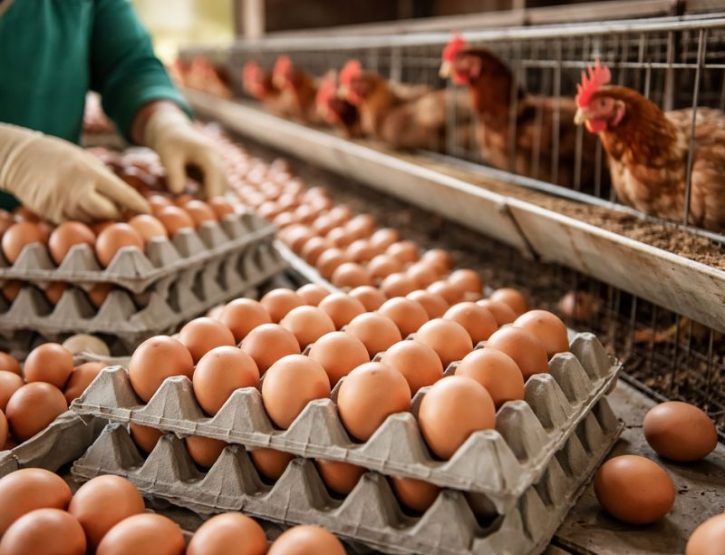
Poultry Egg Handling: Best Practices, Challenges, and the Path to Quality Assurance
The poultry sector has emerged as one of the fastest-growing agricultural industries in Nepal, contributing significantly to food security, rural employment, and national income. Among its many components, poultry egg handling in Nepal plays a decisive role in determining egg quality, consumer safety, shelf life, and market value. Eggs are delicate biological products that can easily lose quality if mishandled at any stage—from collection at the farm to final delivery to consumers.
In Nepal, where climatic conditions, infrastructure limitations, and traditional practices vary widely, effective egg handling remains both a challenge and an opportunity. With rising demand for hygienic, safe, and high-quality eggs in urban and semi-urban markets, improving poultry egg handling practices has become more important than ever.
This article explores the complete process of poultry egg handling in Nepal, covering farm-level practices, storage, transportation, quality control, and challenges.
Importance of Poultry Egg Handling
Egg handling directly affects egg freshness, safety, and nutritional value. Proper handling reduces breakage, contamination, and spoilage while extending shelf life. In Nepal, eggs are a major source of affordable protein, especially for low- and middle-income households.
Poor handling practices can result in:
- Increased microbial contamination
- Higher economic losses for farmers
- Reduced consumer trust
- Public health risks
On the other hand, improved poultry egg handling in Nepal can:
- Increase farm profitability
- Reduce post-harvest losses
- Improve food safety
- Support export potential in the future
Egg Production System in Nepal
Nepal’s egg production system is a mix of:
- Commercial poultry farms
- Semi-commercial farms
- Backyard poultry systems
While commercial farms follow relatively better management practices, many small-scale and backyard producers still rely on traditional methods. This diversity directly influences how eggs are handled after laying.
Commercial farms mainly operate in districts like Chitwan, Kavre, Makwanpur, Bhaktapur, and Kathmandu Valley, while rural areas depend heavily on household-level egg production.

Egg Production System in Nepal(Source: farmanimalrescue)
Egg Collection Practices at the Farm Level
Here are the following:
Frequency of Egg Collection
Frequent egg collection is a fundamental aspect of poultry egg handling in Nepal. Eggs should ideally be collected at least 3–4 times per day to:
- Reduce breakage
- Prevent contamination
- Avoid exposure to extreme temperatures.
In many Nepali farms, especially small ones, eggs are collected only once or twice daily, increasing the risk of quality deterioration.
Clean Collection Environment
Eggs should be collected from:
- Clean, dry nesting areas
- Properly designed cages or litter systems
Dirty nesting materials, common in traditional poultry sheds, often lead to soiled eggs that require additional cleaning, increasing contamination risk.
Egg Cleaning and Washing Practices
The following are the egg cleaning and washing practices:
Dry Cleaning Method
Dry cleaning is the preferred method in poultry egg handling in Nepal. It involves:
- Gently brushing off dirt
- Using dry cloths or soft brushes
This method preserves the egg’s natural protective layer, known as the cuticle.
Wet Washing Method
Wet washing is commonly practiced in Nepal, particularly in commercial supply chains. However, if not done correctly, it can:
- Remove the protective cuticle
- Allow bacteria to penetrate the shell.
When washing is necessary:
- Water must be warmer than the egg
- Approved sanitizers should be used.
- Eggs must be dried immediately.
Egg Grading and Sorting
Here are some egg grading and sorting:
Size and Weight Classification
Egg grading is an essential part of poultry egg handling in Nepal, especially for commercial markets. Eggs are usually graded into:
- Small
- Medium
- Large
- Extra-large
Uniform grading helps farmers receive better prices and builds trust with retailers.
Quality Inspection
Eggs should be checked for:
- Cracks
- Thin shells
- Abnormal shapes
- Dirty surfaces
Unfortunately, grading facilities are still limited in rural Nepal, and many eggs reach markets without proper quality checks.
Packaging Materials Used in Nepal
Traditional Packaging
Common traditional egg packaging materials include:
- Bamboo baskets
- Straw-filled crates
- Cardboard boxes without cushioning
While affordable, these methods offer limited protection during transport.
Modern Egg Trays and Cartons
Plastic or pulp egg trays are increasingly used in urban supply chains. These trays:
- Reduce breakage
- Allow better stacking
- Improve hygiene
Encouraging wider use of standardized egg trays is crucial for improving poultry egg handling in Nepal.
Egg Storage Practices

Egg Storage Practices(Source: poultryworld)
Temperature Control
Eggs should ideally be stored at 13–18°C to maintain freshness. However, cold storage facilities are limited in Nepal, especially outside major cities.
Most eggs are stored at room temperature, which:
- Accelerates quality loss
- Reduces shelf life in hot seasons
Humidity Management
High humidity can promote mold growth, while low humidity increases moisture loss. Maintaining balanced humidity remains a major challenge in Nepal’s variable climate.
Transportation Challenges in Nepal
Transportation is one of the weakest links in poultry egg handling in Nepal.
Poor Road Conditions
Many poultry-producing areas are connected by:
- Narrow roads
- Rough terrain
- Long travel times
These conditions increase:
- Egg breakage
- Vibrations
- Temperature fluctuations
Lack of Refrigerated Transport
Refrigerated egg transport is rare due to:
- High costs
- Limited infrastructure
As a result, eggs are often transported in open vehicles, exposed to dust, heat, and sunlight.
Role of Training and Farmer Education
Lack of technical knowledge is a major barrier to improved egg handling. Training programs should focus on:
- Hygienic egg collection
- Proper cleaning methods
- Storage and transport techniques
- Basic food safety principles
Cooperatives and poultry associations can play a vital role in knowledge dissemination.
Economic Impact of Improved Egg Handling
Improved poultry egg handling in Nepal can:
- Reduce post-harvest losses by up to 20–30%
- Increase farm income
- Stabilize egg prices
- Improve national food security.
Better handling also opens doors to premium markets such as hotels, restaurants, and institutional buyers.
Environmental Considerations
Sustainable poultry egg handling in Nepal should also address:
- Waste management from broken eggs
- Recyclable packaging materials
- Energy-efficient storage systems
Environmentally responsible practices enhance long-term industry growth.
Conclusion
Egg handling in Nepal is an important but sometimes neglected segment in the entire poultry chain. Each step in egg handling affects egg quality, safety, and profitability. Though some challenges, like poor infrastructure and traditional egg handling practices, exist in Nepal, ample opportunities exist to improve this particular segment.
If improved handling methods are implemented, more investment is made, tougher regulation, and awareness is raised among farmers and grocery stores, the overall level of egg quality can be significantly improved in Nepal. The improved condition of poultry egg handling in the country will, therefore, have a positive impact on farmers, as well as the economy of the country.
Read More: Poultry Health Monitoring