
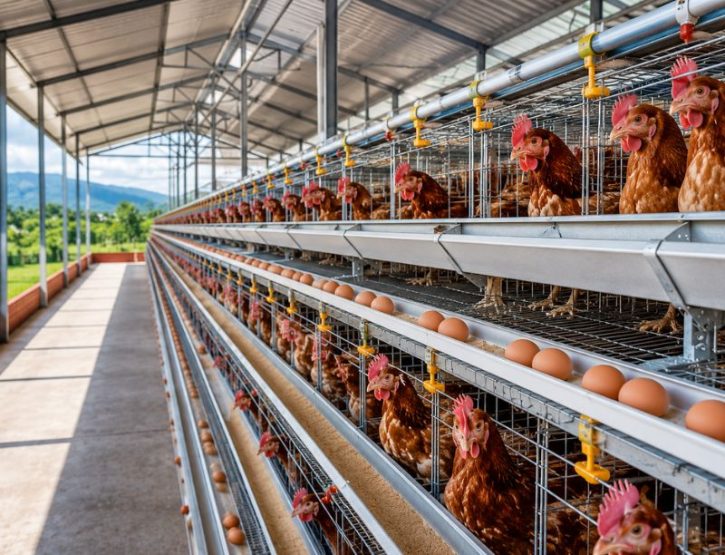
Poultry Cage in Nepal: Complete Guide for Modern Poultry Farming
The demand for both eggs and chicken meat has increased to the point that many poultry farmers in Nepal have started using modern farming methods, making the industry one of the most rapidly developing agricultural industries in the country.
Among the many innovative products now available to today’s poultry producer are poultry cages in Nepal.
Poultry cages make it possible for producers to efficiently manage their bird populations, help them to provide good hygiene conditions within their operations, and consequently, decrease their labor costs while maximizing their production outputs.
This article contains a complete overview of poultry cages in Nepal, including types of cages, benefits of cages, cost of cages, installation requirements for cages, and their role in modern-day poultry production.
Poultry cages designed properly in Nepal will greatly improve farm efficiency by reducing feed waste, reducing disease outbreaks, and reducing daily management time needed for chicken husbandry.
Importance of Poultry Cage in Nepal
The poultry sector contributes significantly to Nepal’s economy and food security. With rising feed costs and increasing competition, farmers must focus on efficient production methods.
Poultry cages play a vital role in achieving these goals by:
- Increasing egg production efficiency
- Improving bird health and welfare
- Reducing labor requirements
- Enhancing farm cleanliness
- Improving feed conversion ratios
- Making disease control easier
- Maximizing space utilization
For commercial poultry farms, cage systems have become a practical solution for increasing profitability and maintaining high production standards.
Types of Poultry Cages in Nepal
Several types of poultry cages are available in Nepal. The choice depends on the size of the farm, investment capacity, and production goals.
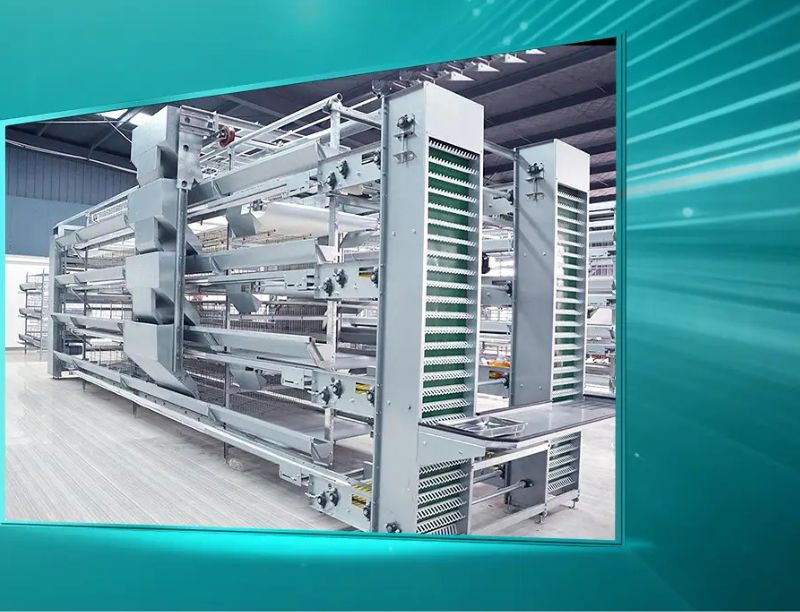
Poultry Cage Types in Nepal(Source: mtpoultry)
A-Type Layer Cage
The A-Type Layer Cage is one of the most common poultry cage systems used in Nepal.
Features:
- Triangular frame design
- Suitable for small and medium-sized farms
- Easy installation
- Lower investment cost
- Good ventilation
Advantages:
- Affordable for beginners
- Easy management
- Reduced feed wastage
- Better egg collection
Many poultry farmers starting with 1,000 to 10,000 layers prefer A-Type cages because of their cost-effectiveness and simplicity.
H-Type Layer Cage
The H-Type Layer Cage is a modern and advanced cage system designed for large-scale commercial poultry farms.
Features:
- Multi-tier vertical structure
- Automated feeding systems
- Automatic manure removal
- Automated egg collection
- High-density bird housing
Advantages:
- Maximum space utilization
- Reduced labor costs
- Improved biosecurity
- Higher production efficiency
Large commercial poultry farms in Nepal increasingly adopt H-Type cages to optimize production and reduce operational expenses.
Broiler Cage System
Broiler cages are specially designed for meat-producing chickens.
Benefits:
- Faster growth rates
- Better feed conversion
- Reduced disease transmission
- Improved farm management
Although deep litter systems remain popular for broilers in Nepal, cage systems are gaining attention among commercial producers.
Benefits of Using Poultry Cages in Nepal
Traditionally, many poultry farmers in Nepal raised chickens on deep litter systems. While this method is still popular, the increasing need for better management and higher production has encouraged farmers to switch to cage systems.
Today, poultry cages are widely used in commercial layer farms and are gradually becoming common in modern poultry operations across the country.
- Better Space Utilization: One of the greatest advantages of poultry cages is efficient space management. Farmers can raise more birds within the same area compared to traditional floor systems. This is particularly beneficial in urban and peri-urban areas where land costs are high.
- Improved Egg Production: Layer cages create an environment that reduces stress and competition among birds. As a result, hens can maintain consistent egg production levels. Egg collection also becomes easier since eggs roll into the designated collection trays.
- Reduced Feed Wastage: Feed represents the largest expense in poultry farming. Poultry cages help minimize feed loss by preventing birds from scratching and scattering feed. This contributes to better feed efficiency and lower production costs.
- Improved Hygiene: In cage systems, manure falls below the cages and can be removed regularly. This reduces contact between birds and waste materials. Cleaner environments help decrease disease risks and improve overall flock health.
- Easier Disease Control: Disease outbreaks can cause severe financial losses in poultry farming. Poultry cages reduce bird-to-bird contact and make disease monitoring easier. Farmers can quickly identify sick birds and isolate them when necessary.
- Lower Labor Requirements: Modern poultry cages simplify feeding, watering, egg collection, and manure management. Automated systems further reduce labor requirements and increase operational efficiency.
Factors to Consider Before Buying a Poultry Cage in Nepal
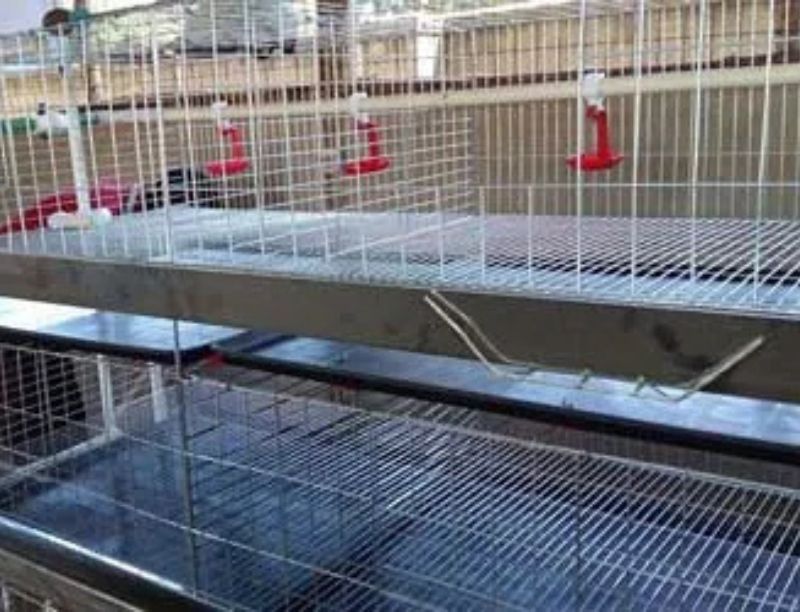
Poultry cages are specially designed shelters used by poultry producers to house their chickens in an orderly and efficient manner. Poultry cages are usually made of galvanized steel wire and are designed to provide enough space for the chickens to eat, drink, lay eggs, and move about.
Buying a Poultry Cage in Nepal(Source: chickenlayercage)
Farm Size
The size of the farm determines the type and capacity of the cage system required. Small farms may benefit from A-Type cages, while large commercial farms may require H-Type automated systems.
Budget
Investment costs vary significantly between cage types. Farmers should evaluate:
- Initial purchase cost
- Installation expenses
- Maintenance requirements
- Expected return on investment
Bird Capacity
The number of birds planned for production should guide cage selection. Choosing the right capacity helps avoid overcrowding and ensures optimal performance.
Ventilation
Proper airflow is essential for poultry health. The poultry house should provide adequate ventilation to maintain temperature and humidity levels.
Future Expansion
Farmers planning to expand operations should choose cage systems that allow future modifications and additions.
Poultry Cage Installation Requirements
Proper installation is critical for maximizing the benefits of poultry cages.
Poultry House Design
The poultry house should include:
- Reliable water supply
- Proper drainage system
- Good lighting
Environmental Control
Maintaining suitable environmental conditions is important for bird health and productivity.
Farmers should monitor:
- Temperature
- Humidity
- Air circulation
- Lighting schedules
Biosecurity Measures
Biosecurity practices should include:
- Restricted farm access
- Footbaths
- Vehicle disinfection
- Rodent control
- Vaccination programs
Challenges of Poultry Cage Farming
While poultry cages offer many advantages, there are some challenges to consider.
- Higher Initial Investment: The purchase and installation of cage systems requires substantial capital compared to traditional floor systems.
- Technical Knowledge: Farmers need proper training to manage modern cage systems effectively.
- Maintenance Requirements: Regular inspection and maintenance are necessary to ensure long-term performance.
- Power Dependency: Automated systems rely on electricity, making backup power solutions important.
Why Poultry Cages are Essential for Commercial Farming
Commercial poultry farming requires efficiency, consistency, and profitability. Poultry cages help achieve these objectives by improving management and reducing production costs.
Benefits include:
- Higher egg production
- Better bird health
- Reduced mortality rates
- Lower labor expenses
- Efficient resource utilization
- Enhanced farm profitability
For farmers seeking long-term growth and sustainable operations, investing in a quality poultry cage system can be a valuable decision.
Conclusion
Cages for poultry have made a huge difference to how conveniently and profitably chickens can be raised in the country of Nepal. All sizes of chicken-raising operations can benefit significantly more from using cages than they could from using traditional housing systems.
There are many advantages provided through cage systems, including better use of space, improved sanitation, increased eggs per hen raised, and easier management of diseases; these benefits can be realized by the Nepalese poultry farmer who adopts cage systems.
Although there is a higher cost associated with the purchase of modern poultry cages and cage equipment, the long-term benefits will often outweigh these initial costs.
The continued development of Nepal’s poultry industry will depend on the use of modern cage systems to satisfy the future demand for eggs and poultry products.
Farmers adopting these new technologies will, based on these advantages, expect to increase productivity, improve their flock management, and enhance profitability in the coming years.
Read More: Poultry Export Business Opportunities